Please click on the link below
Tag: childhood asthma
Current status of Azithromycin in Asthma control,Dr.D.K.JHA,M.D.,Pediatrician and Pediatric Pulmonologist,Delhi
Asthma is the most common chronic respiratory disease in children.
It is both underdiagnosed and overdiagnosed in children
The standard treatment for childhood asthma is inhalational corticosteroid(ICS) in different doses according to the severity of asthma.
If the asthma is not controlled, on highest permissible doses of inhalational steroid,Long acting beta agonist(LABA) is added to control it, provided the technique of inhalation is correct,comorbidities have been addressed properly and allegen avoidence has been taken care of and adherence to treatment is good.
If it is not controlled on ICS+LABA,other add on options are LTRA(Monteleukast) and Tiotropium
If still the asthma is not controlled ,biologicals in the form of Omalizumab(IgE antagonist) and Meplozumab(IL5 antagonist) are given to control the asthma
Biologicals are costly with the disadvantages of adverse events and it is not widely available.
Asthma control is usually assessed by Asthma control test(ACT) ,Childhood asthma control test(CACT) and more easily by GINA guideline for control of asthma
Higher the ACT,CACT scores ,better is the control of asthma.
Researchers from the division of Pulmonology,department of Pediatrics,All India Institute of Medical Sciences,conducted an open label randomized control trial for a drug Azithromycin.Azithromycin is recommended drug by Global Initiative of Asthma(GINA) and British Thoracic Society(BTS) guideline for control of Asthma in adults.It improves spirometer parameter and reduces number of exacerbation of asthma in adults.There is no sufficient data for its use in children.
This the reason, researchers from Pediatric Pulmonology, division of the department of Pediatrcs AIIMS New Delhi, studied on 120 children between the age group of 5-15 years,mostly male(74% ) with poorly controlled asthma according to ACT and CACT.They divided these children into two groups.One group (n60) received Azithromycin in the dose of 10 mg/kg thrice weekly for 12 weeks along with standard treatment.The other group(n60) received only standard treatment.
The primary outcome was level of control of Asthma, according to ACT and CACT.Secondary outcomes were spirometry parameter,number of exacerbations,,Fractional excretion of NO(FeNO),throat swab culture positivity and adverse events
At the end of study period,the group who received Azithromycin along with standard care were having high ACT and CACT score (21.71 vs. 18.33; P < .001))indicating better asthma control.They also required less number of emergency visits due to asthma exacerbation and less use of oral or injectable steroids(0 vs. 1; P < .001).) ,higher number of good control of asthma by GINA guideline(41 vs. 10; P < .001).)
Spirometry parameters,throat swab culture ,FeNO reports and adverse events were not much different between two groups.
The benefits of Azithromycin was not different whether the child was suffering from eosinophilic or non eosinophilic asthma.
The study was published in CHEST.
CONCLUSION and BOTTOM LINE: Azithromycin in the dose of 10mg/kg,thrice weekly for 3 months may be added in treatment for children who could not achieve good control of asthma with standard therapy
REFERENCES:: Ghimire JJ, et al. Chest. 2022;doi:10.1016/j.chest.2022.02.025.
virus-The most common trigger for asthma exacerbation in children,Dr.Dev,M.D.,Pediatrician and Pediatric Pulmonologist,Rajendra Nagar,Ghaziabad,Delhi NCR
 Asthma is the most common chronic disease in children.
The exact cause of asthma is not clear but there are several theories to explain the cause of asthma.
It is the interaction of genetic predisposition and environment which causes asthma to manifest in children.
Although not a single theory can explain the causation of asthma ,it is clear that, it is a heterogenous disease and there are so many triggers of its exacerbation.
Among triggers, there are ,allergens,pollutants,exertion,cold air,pollens,molds,and sudden change in ambient temperature
Among viruses ,Respiratory Synsytial virus(RSV),rhinovirus,influenza virus and seasonal coronavirus are known triggers for asthma exacerbation in children.
Investigators hypothesized that VIRUSES are the most important triggers for pediatric asthma exacerbation. To prove this ,the investigator studied on children admitted with severe asthma exacerbation in various hospitals form 2014 through 2021. Asthma exacerbation was confirmed through electronic records by continuous use of inhalational salbutamol. Viral testing were done on all children to confirm viral infection.
Investigators studied asthma exacerbation 15 -52 weeks after CDC implemented non pharmaceutical measures to prevent spread of Corona virus disease 2019 ,which limits the spread of virus from person to person including corona virus.These measures are physical distancing,use of mask and respiratory ettiquets.
The average rate of weekly asthma exacerbation in children decreased from approximately 64 % during the period of 2014 to 2019 to approximately 13% in 2020.
The average rate of viral infection positivity decreased from approximately 56% during the period of 2014 to 2019 to approximately 30% in 2020.
Researchers also observed that there was no change significantly in the environmental level of molds,pollens,pollutants and AQI(air quality index)
Researches found that, among various triggers for asthma exacerbation in children ,viral infections were most closely related which was obvious by the measures adopted to spread COVID 19 ,decreased the exacerbation of asthma.
It was concluded that ,measures to minimise viral infections in children will translate into fewer excerbation of asthma in children.
REFERENCES:
Poole A, Holcomb M, Jamieson A, et al. Social distancing reveals determinants of pediatric asthma exacerbations. Presented at: American Academy of Allergy, Asthma & Immunology (AAAAI) 2022 Annual Meeting; February 25–28, 2022; Phoenix, AZ. Abstract 178.
Large population of Delhi NCR children have ASTHMA.Dr.Dev,MD,Pediatrician and Pediatric Pulmonologist,Ghaziabad,Delhi NCR
Delhi is among most polluted cities in the world
Air pollution directly affects lung
Lungs of children are most vulnerable as the lungs are growing.
Children breath in more air than adults due to fast respiratory rate as compared to adults
Particulate matters in air particularly PM10 and PM2.5 can enter the airways and PM2.5 can go into alveoli
The level of PM10 and PM2.5 are 15 times higher in Delhi air as compared to set standard by World Health Organisation
The pollutants in air comprise obesogenic compounds responsible for making a child Obese
Obesity is associated with the development of Asthma in children
According to a cross sectional study done in 3 cities in India including the most polluted city Delhi and 2 less polluted cities in South India-Kottayam and Mysore, Published in LUNG INDIA September-October 2021,approximately 30% children in Delhi are suffering from Asthma.
Almost 50% children reported cough and 30% complained of shortness of breath.
Among 4361 children studying in private schools between the ages of 13-14 and 16-17,boys and girls, 3157 successfully completed the ISAAC Questionnaire and performed spirometry.
On the basis of spirometry ,which shows airway obstruction, a diagnostic component of Asthma,almost 30% children were diagnosed as having ASTHMA.
Most of the parents and children are not aware of this disease in children.
They are not easily accepting the diagnosis of ASTHMA in children, but it is a fact and we should do something proactively to control the level of pollution in cities to control the ASTHMA
The study has been published in LUNG INDIA September-October,2021
REFERENCES;. Singh V, Singh S, Biswal A. Exceedances and trends of particulate matter (PM2.5) in five Indian megacities Sci Total Environ. 2021;750:141461
Cited Here | PubMed | CrossRef
2. Central Pollution Control Board, Ministry of Environment, Forest and Climate Change. National Ambient Air Quality Status and Trends. 2019 Available from: https://cpcb.nic.in/upload/NAAQS_2019.pdfLast accessed on 2020 Oct 28
Cited Here
3. The Lancet Planetary Health. . Government indifference over air pollution crisis in Delhi
PANEL DISCUSSION ON ASTHMA IN CHILDREN WITH OR WITHOUT COVID 19,by Experts,moderated by Dr.Dev,M.D,Pediatric Pulmonologist and Respiratory intensivist ,Delhi ncr
https://m.facebook.com/story.php?story_fbid=1406721312822521&id=412160705929917?sfnsn=wiwspwa&extid=jHdMecjhkGPw6XDM&d=w&vh=eAsthma is the most common chronic respiratory disease in children worldwide.
It is being discussed by international experts.Please click below
https://m.facebook.com/story.php?story_fbid=1406721312822521&id=412160705929917?sfnsn=wiwspwa&extid=jHdMecjhkGPw6XDM&d=w&vh=e
https://m.facebook.com/story.php?story_fbid=1406721312822521&id=412160705929917?sfnsn=wiwspwa&extid=jHdMecjhkGPw6XDM&d=w&vh=e
This is being published here to update the knowledge of doctors treating asthmatic child.
It should be translated into the better care of asthmatic children all over the world.
Management of childhood asthma ,made simple by ,Dr.D.K.Jha,M.D.,Pediatric Pulmonologist and Respiratory Intensivist ,Delhi
Please click below to watch DR.D.K.JHA discussing management of asthma in children in accordance with GINA guideline.
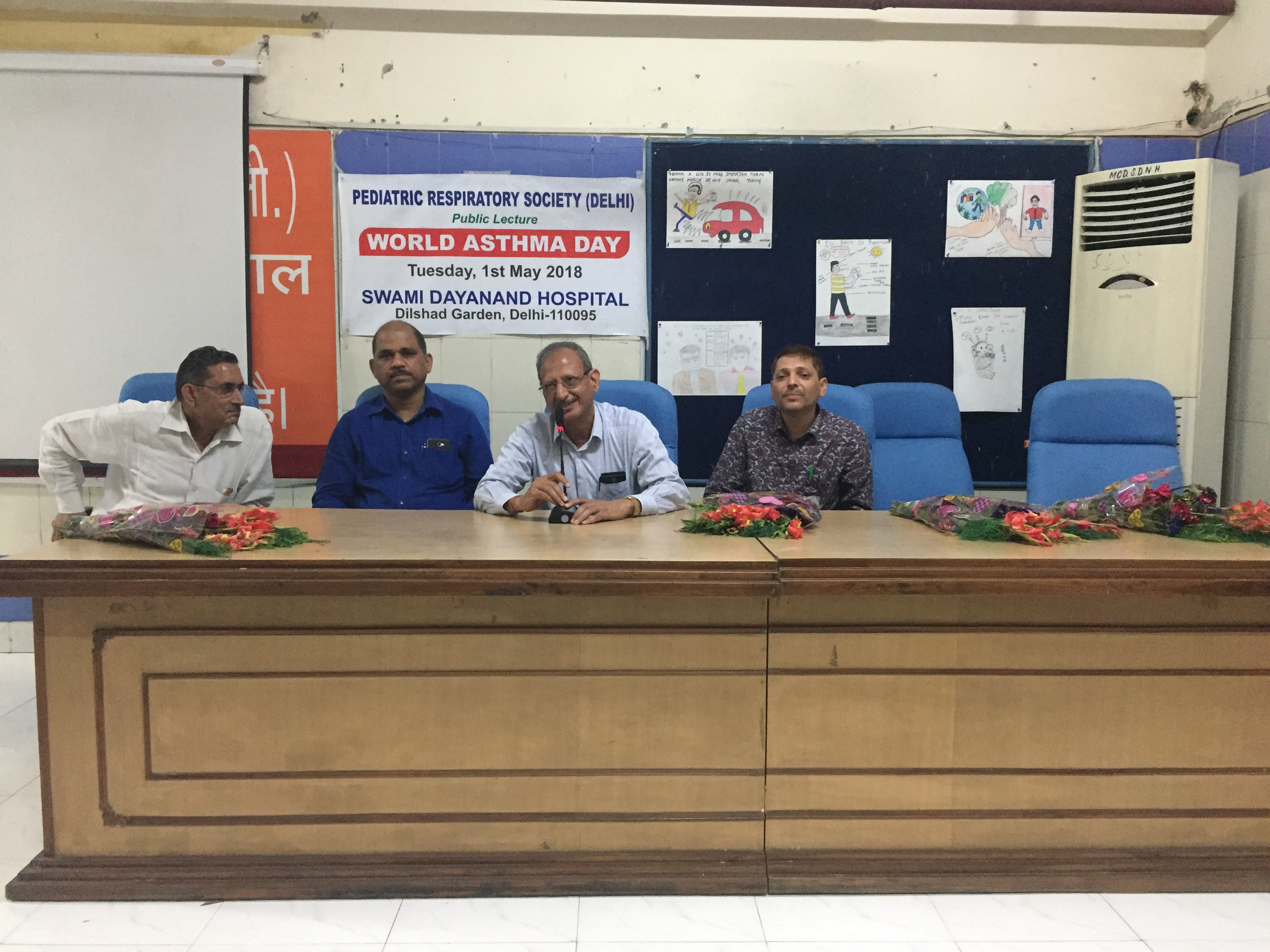
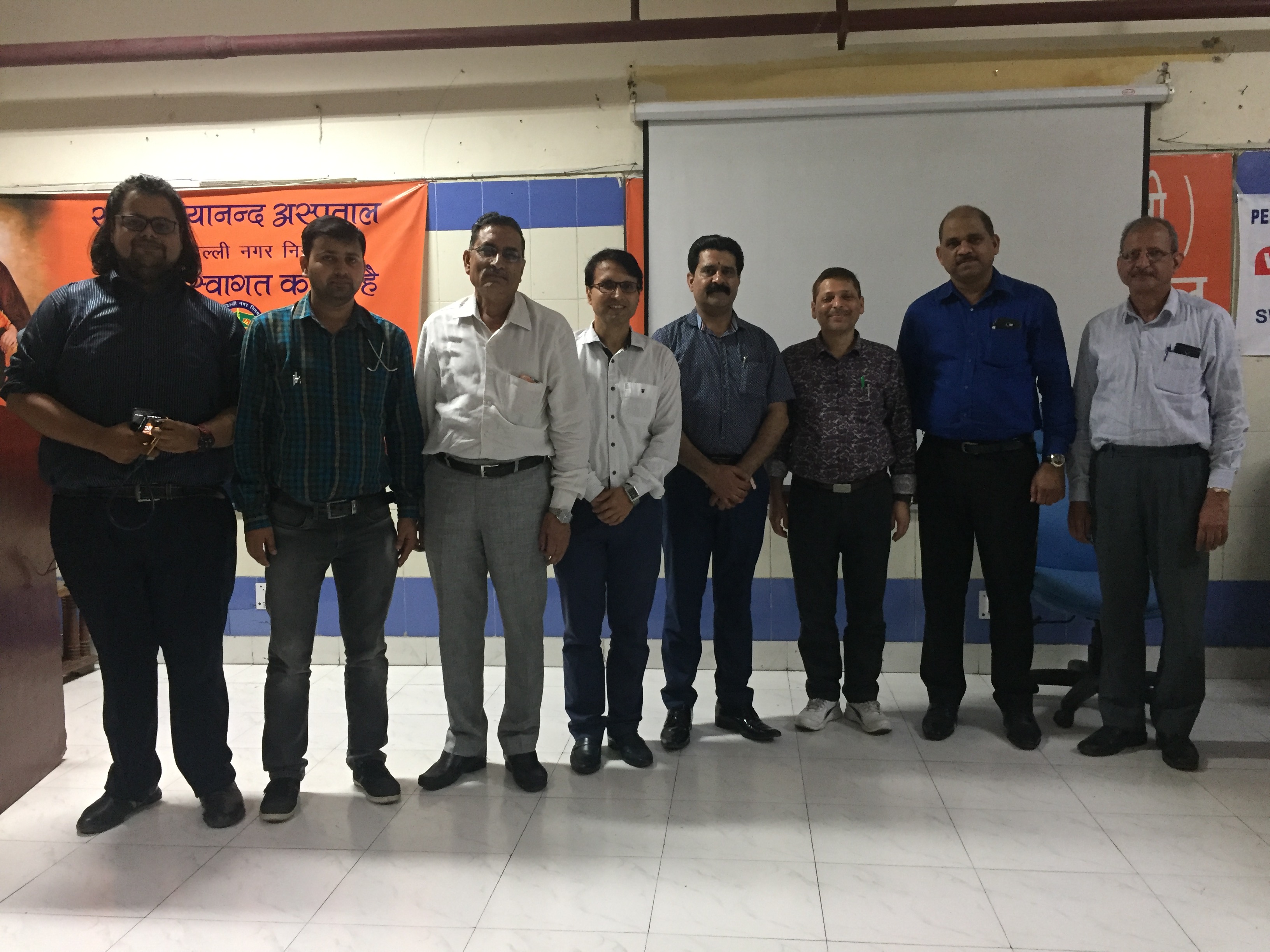
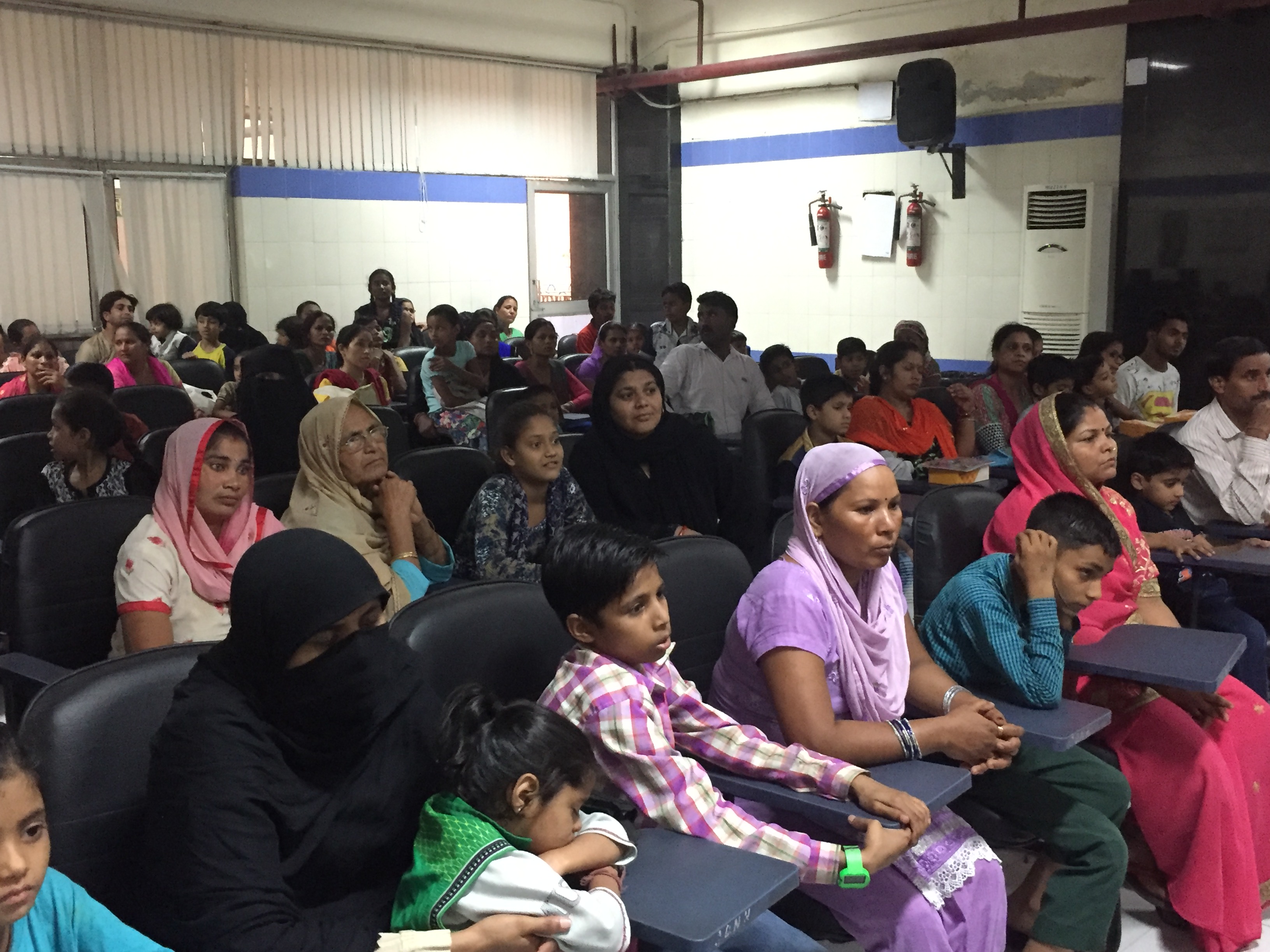
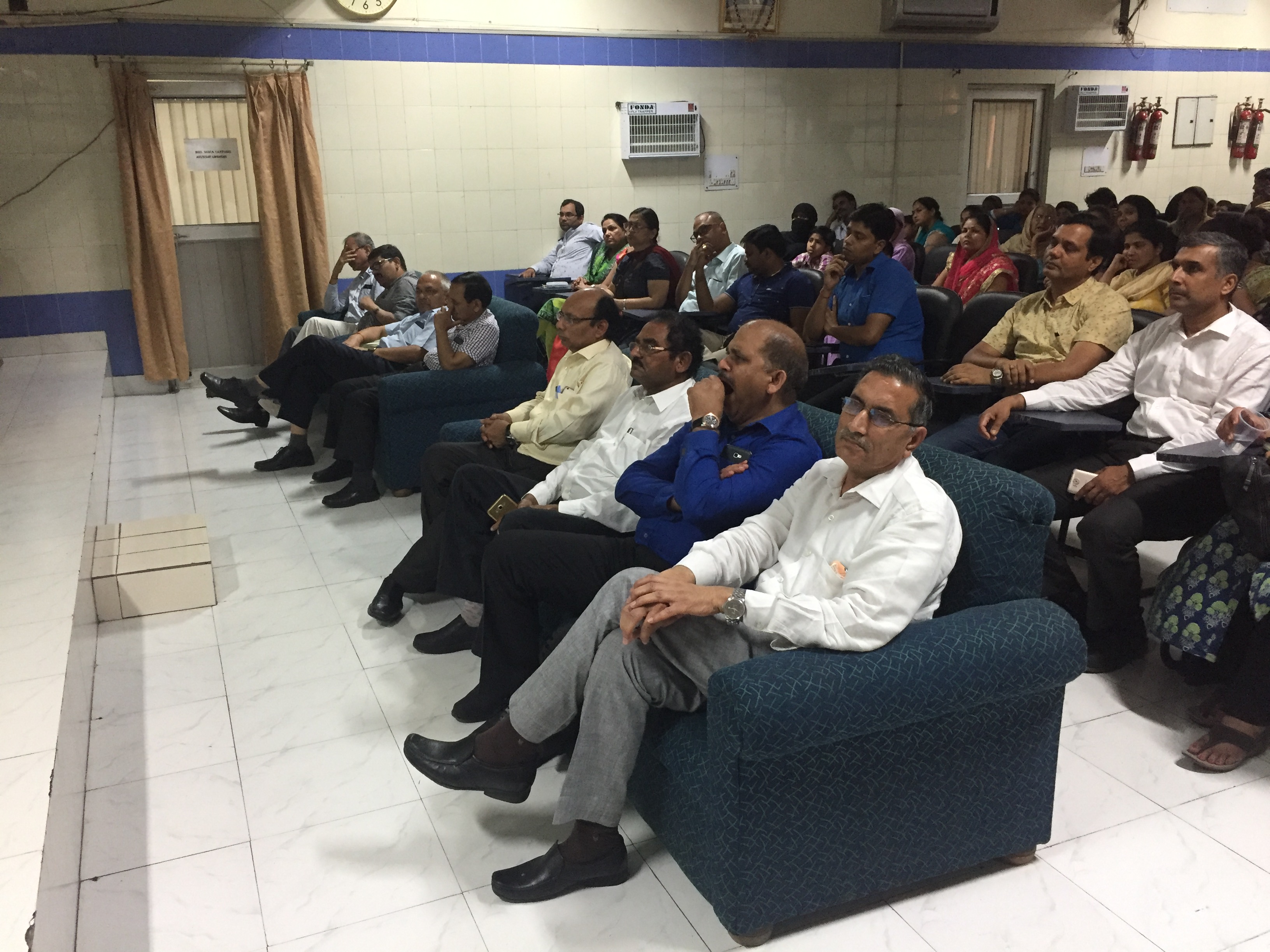
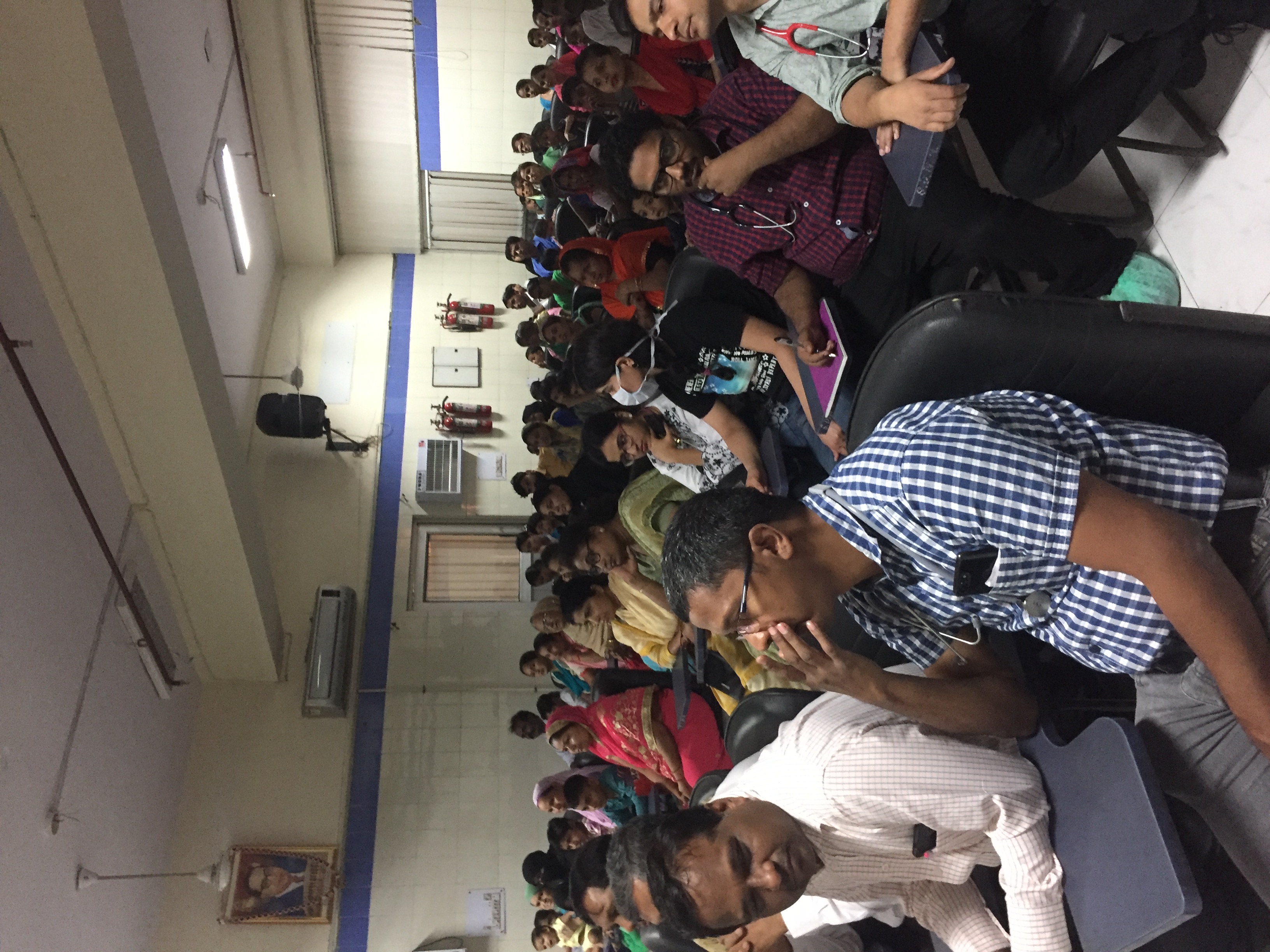
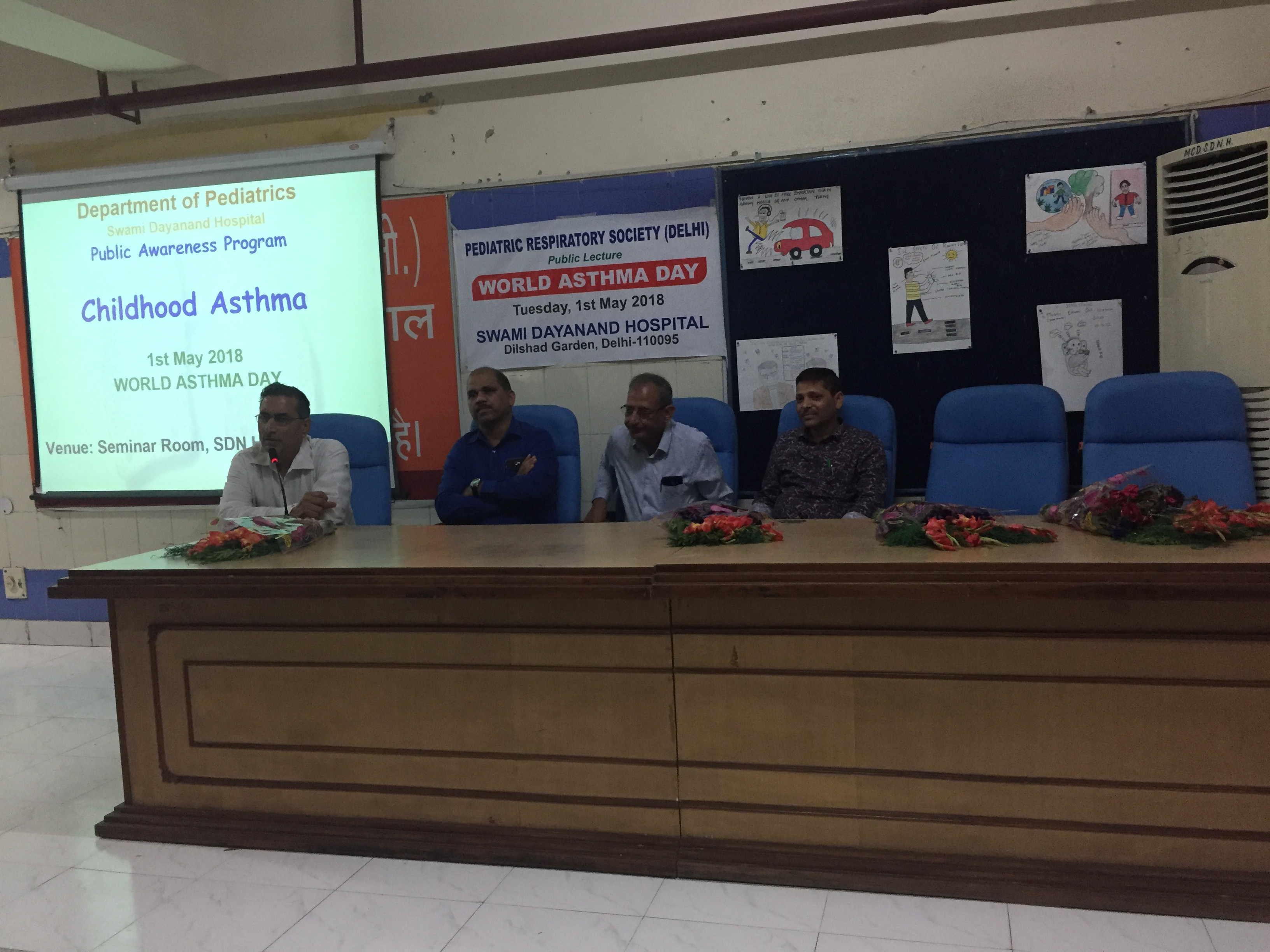
WORLD ASTHMA DAY 2018 , PARENT AWARENESS/PUBLIC LECTURE BY PEDIATRIC RESPIRATORY SOCIETY DELHI
WORLD ASTHMA DAY IS OBSERVED ON FIRST TUESDAY OF EVERY MAY.
THEME OF THIS YEAR IS
NEVER TOO EARLY NEVER TOO LATE