- Home/
- Buy Antabuse in Online Pharmacy – Fast UK Delivery Available
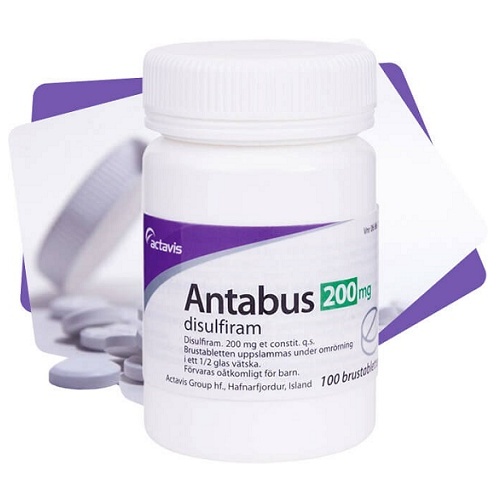
Antabuse (Disulfiram) in the United Kingdom: The Definitive Guide for Safe, Legal, and Effective Treatment of Alcohol Dependence
Key Facts Summary: Quick Reference Table
| Parameter | Details |
|---|---|
| Active Ingredient | Disulfiram |
| Main Use | Supporting abstinence in alcohol dependence |
| Onset of Effect | Within hours (upon alcohol intake, rapid reaction) |
| Prescription Status (UK) | Prescription only in the United Kingdom |
| Absolute Contraindication | Current alcohol consumption, severe heart/liver disease |
| Approximate Price (UK, 2026) | £24–£44 per 50-tablet pack (generic); varies by pharmacy |
| Legal Online Availability | Only from UK-licensed online pharmacies with prescription |
| Most Common Side Effect | Reaction to alcohol: flushing, headache, palpitations |
For full clinical indications, dosing, and contraindications, see below.
Can Antabuse Be Obtained Without a Prescription in the UK?
No, purchasing Antabuse (Disulfiram) without a prescription is illegal in the United Kingdom. Antabuse is a prescription-only medicine as per the Medicines and Healthcare products Regulatory Agency (MHRA) regulations. A valid prescription from a registered UK doctor is required. Buying Antabuse from unverified websites or without a prescription poses significant legal and health risks, including receiving counterfeit medication and potential prosecution.
How Does Antabuse Work? Mechanism of Action Explained
Antabuse contains Disulfiram, which acts as an irreversible inhibitor of the enzyme aldehyde dehydrogenase (ALDH) in the liver. When a person takes Antabuse and then consumes alcohol, the body cannot efficiently convert acetaldehyde (an intermediate toxic byproduct of alcohol metabolism) into harmless acetic acid. This causes a rapid and severe build-up of acetaldehyde in the blood.
The result? A pronounced and highly unpleasant reaction: flushing, rapid heartbeat, nausea, vomiting, headache, and sometimes chest pain. This is known as the disulfiram–ethanol reaction (DER). The aim is to act as a powerful deterrent to drinking alcohol.

For those less familiar with biochemistry, imagine a motorway (your liver) with a toll gate (ALDH). Antabuse closes the toll, causing a traffic jam of toxic byproducts every time alcohol tries to pass. The resulting chaos—those severe symptoms—makes future attempts at drinking highly undesirable.
Important: Antabuse has no effect unless alcohol is consumed. It is not a “cure” for addiction, but a deterrent tool within a broader treatment plan.
Information Gain: The disulfiram–ethanol reaction can start within 10–30 minutes if alcohol is consumed after taking Antabuse and may last for several hours. In rare cases, severe reactions can be life-threatening, especially in people with heart or respiratory conditions (PubMed 2021).
Expert Commentary from doctor
In my clinical practice, one of the biggest misconceptions about Antabuse is that it works immediately or that it somehow “removes” the desire to drink. It doesn’t. Its main power lies in the fear of the reaction—not in changing cravings or underlying psychological patterns. I’ve seen patients skip doses to “plan” a drink, or believe that small amounts of alcohol won’t matter. Even tiny traces, such as those found in sauces or medicines, can trigger a severe reaction.
Antabuse is most effective when combined with close follow-up, psychological support, and when the patient’s friends or family are involved as part of a support circle. Adherence and honest communication about slip-ups are essential for success.
How Should Antabuse Be Taken? Dosage, Onset, and Duration
| Parameter | Details |
|---|---|
| Initial Dose | Typically 200–500mg once daily for 1–2 weeks (as prescribed) |
| Maintenance Dose | 100–200mg daily (as prescribed) |
| Administration | Take in the morning with or without food; can be split if drowsiness occurs |
| Maximum Dose | 500mg per day; exceeding this increases risk of toxicity |
| Peak Effect | Occurs within 12–24 hours; sensitivity to alcohol may last up to 2 weeks after stopping |
| Duration of Action | Up to 14 days—”washout” period before alcohol can be safely consumed |
| Tablet Splitting | Most UK generics can be split; always check manufacturer’s instructions or ask your pharmacist |
Note: Dose adjustments may be required for elderly patients or those with mild hepatic or renal impairment. Always follow your prescriber’s instructions.
- Do not take if alcohol has been consumed within 24 hours.
- Do not exceed prescribed dose to “speed up” effect.
- Missed a dose? Take as soon as remembered, but do not double up.
Food, Alcohol, and Lifestyle: Critical Interactions with Antabuse
Alcohol: Strict Prohibition
Even trace amounts of alcohol can trigger a reaction. This includes:
- Alcohol in food (desserts, sauces, vinegar, some cheeses)
- Mouthwashes, cough syrups, tonics containing alcohol
- Medicinal alcohol in topical products (e.g., hand sanitisers, aftershaves)
Food and Meal Timing
Food does not significantly affect absorption, but taking Antabuse with meals may reduce stomach upset. Fatty foods have no significant effect on absorption speed.
Grapefruit Juice?
There’s no clinically significant interaction between Disulfiram and grapefruit juice, unlike with some other drugs (EMC UK).
Lifestyle Adjustments
- Avoid all forms of alcohol exposure (including cleaning products and beauty items)
- Inform medical professionals, including dentists and pharmacists, that you are taking Antabuse
- Carry a medical alert card or bracelet stating you are on Disulfiram
Who Should Not Take Antabuse? Absolute and Relative Contraindications
- Absolute Contraindications (Never Prescribe):
-
- Current intoxication or recent alcohol use (within 24 hours)
- Severe heart disease (e.g., recent myocardial infarction, heart failure, coronary artery disease)
- Severe liver impairment (e.g., cirrhosis, acute hepatitis)
- History of psychosis
- Hypersensitivity to Disulfiram or excipients
- Pregnancy and breastfeeding
- Relative Contraindications (Use with Caution):
-
- Mild/moderate liver disease (requires dose adjustment and close monitoring)
- Diabetes (risk of hypoglycaemia)
- Epilepsy or history of seizures
- Respiratory diseases (asthma, COPD)
- Age above 65 (start at lowest dose)
Why? Disulfiram–alcohol reactions can cause unpredictable changes in heart rhythm and blood pressure, posing a real risk in those with underlying cardiovascular or severe organ disease. Psychological instability may be exacerbated by Antabuse’s neuropsychiatric side effects.
Following a heart attack, careful cardiac assessment and specialist review are required before considering Antabuse. No formal guidance on minimum waiting period; clinical judgement is key (NICE CKS).
What Side Effects Are Most Common with Antabuse?
| Frequency | Side Effect | Potential Mechanism | Action Needed |
|---|---|---|---|
| Very Common (>1/10) |
Flushing, palpitations, headache, nausea (if alcohol is consumed) | Acetaldehyde accumulation | Seek urgent help if severe |
| Common (1/100–1/10) |
Drowsiness, metallic or garlic taste, tiredness | Central nervous system effects, altered metabolism | Usually self-limiting |
| Uncommon (1/1,000–1/100) |
Acne, mild liver enzyme elevation, allergic reactions (rash, pruritus) | Hypersensitivity, hepatic metabolism | Consult doctor; may require stopping |
| Rare (1/10,000–1/1,000) |
Neuropathy (numbness, tingling), psychotic symptoms | Neurotoxicity, unmasking psychiatric conditions | Stop immediately; seek specialist review |
| Very Rare | Liver failure, optic neuritis (vision problems) | Idiosyncratic toxicity | Medical emergency |
If you experience severe or persistent side effects, stop taking Antabuse and contact your GP or NHS 111 (NHS UK).
It’s important to note that most side effects occur only if alcohol is consumed. Some, like drowsiness or metallic taste, can occur even if abstinent, especially in the first few days.
Compatibility Checklist: Antabuse and Other Substances
| Product/Medication | Can It Be Combined? | Possible Consequences |
|---|---|---|
| Paracetamol | Yes (with caution) | Monitor for liver stress |
| Ibuprofen | Yes | No significant interaction |
| Nitroglycerin (GTN) | STRICTLY NO | Life-threatening blood pressure drop |
| Warfarin | With specialist monitoring | Enhances anticoagulant effect—monitor INR |
| Metronidazole (antibiotic) | NO | Increased risk of psychosis, severe reaction |
| Oral antidiabetic agents (e.g., gliclazide) | With caution | Risk of hypoglycaemia |
| Alcohol-containing products | NO | Dangerous (as above) |
| SSRIs (antidepressants) | Yes | No significant interaction |
Always disclose all medications and supplements to your prescriber.
Common Patient Mistakes Observed by doctor
-
Skipping doses to “allow” alcohol intake.
This undermines the entire purpose of therapy. Antabuse is only effective when taken consistently. Missing even one dose can reduce deterrence and increase risk. -
Forgetting about hidden alcohol sources.
Many overlook items like mouthwashes, sauces, and even some medications which contain alcohol—leading to accidental reactions. Always check product ingredients. -
Assuming a small amount of alcohol is safe.
Even minimal amounts (as low as 5–10ml of ethanol) can trigger severe reactions. Err on the side of caution. -
Stopping medication abruptly without medical advice.
This can lead to relapse and loss of therapeutic effect. Discuss any concerns with your doctor before discontinuing. -
Not informing other healthcare providers.
Procedures or prescriptions from dentists or other doctors may inadvertently involve alcohol exposure. Always mention you are on Antabuse. -
Doubling up after missing a dose.
Increases risk of toxicity without improving effectiveness. If a dose is missed, simply resume as scheduled.
Tip: Keep a daily diary or reminder system to track doses and possible exposures.
Comparison Table: Antabuse vs Alternatives (UK Market)
| Medication | Main Mechanism | Onset Speed | Duration | Common Side Effects | Approximate Price/Pack | Prescription Required? |
|---|---|---|---|---|---|---|
| Antabuse (Disulfiram) | ALDH inhibitor (deterrent reaction) | 12–24h for alcohol deterrence Immediate if alcohol consumed |
Up to 2 weeks post last dose | Flushing, nausea with alcohol, drowsiness | £24–£44/50 tablets | Yes |
| Acamprosate (Campral) | Modulates glutamate/GABA (reduces cravings) | Days to weeks for effect | Short (requires daily dosing) | Diarrhoea, abdominal pain, rash | £28–£36/168 tablets | Yes |
| Naltrexone | Opioid receptor antagonist (reduces reward response) | Within hours | Short (daily dosing) | Nausea, headache, dizziness | £30–£58/28 tablets | Yes |
Bottom line: Antabuse is unique as a deterrent, while acamprosate and naltrexone focus more on reducing cravings or reward. Prices vary by region and brand. All require prescription (NHS Alcohol Treatment).
Questions Frequently Asked to doctor
- Q: What happens if I accidentally drink alcohol while on Antabuse?
- A: Even a small amount can cause a severe reaction—flushing, nausea, vomiting, palpitations, and low blood pressure. Seek medical help immediately if symptoms are significant or prolonged.
- Q: Can Antabuse be taken long-term?
- A: Yes, many patients use it for several months or even years under regular monitoring. Liver function and mental health should be checked regularly.
- Q: What if I miss a dose?
- A: Take it as soon as you remember, unless it’s nearly time for the next dose. Never double up. Missing doses can reduce effectiveness and increase risk of relapse.
- Q: Are there any foods I must avoid?
- A: Avoid foods cooked with alcohol, or foods that could contain trace amounts (some desserts, sauces, vinegar-based products). Always check labels.
- Q: Can I drive or operate machinery while on Antabuse?
- A: Most people can, but if you experience drowsiness or blurred vision, do not drive until symptoms resolve. Alcohol consumption with Antabuse can severely impair abilities.
- Q: Is Antabuse safe in older adults?
- A: It can be used, but starting doses are lower with closer monitoring for side effects, especially on the liver and nervous system.
- Q: Can I take Antabuse with my antidepressant?
- A: Usually yes, but always inform your prescriber of all medications to avoid rare interactions.
How Is Antabuse Processed in the Body? Pharmacokinetics Simplified
- Absorption: After oral intake, Antabuse is rapidly absorbed in the gut.
- Metabolism: Primarily metabolised in the liver into diethyldithiocarbamate and then further into carbon disulfide and diethylamine.
- Elimination: Excreted mostly in urine (via metabolites) and partly in exhaled air (carbon disulfide gives breath a “garlic” odour).
- Half-life (T½): 60–120 hours (metabolite-dependent); effect on ALDH lasts up to 14 days due to irreversible binding.
Implication: Liver or kidney impairment can increase risk of toxicity. Breath odour is a typical, harmless side effect.
Special Patient Groups: Elderly, Liver or Kidney Disease, and Other Considerations
- Elderly patients (65+): Start at the lowest effective dose, monitor liver and cognitive function closely.
- Liver disease: Contraindicated in severe hepatic impairment. Mild cases require specialist supervision and regular liver tests.
- Kidney disease: Use cautiously; metabolites excreted renally.
- Pregnancy and breastfeeding: Not recommended due to insufficient safety data (NHS UK).
- Driving and machinery: If drowsiness, blurred vision, or coordination problems occur, avoid driving. Alcohol reaction can severely impair ability.
- Fertility: No direct adverse effect on fertility documented, but alcohol dependence itself can impact reproductive health.
Original vs Generic Antabuse: What’s the Difference?
Antabuse is the brand name for Disulfiram. Since patent expiry, several UK-licensed generics are available (e.g., Disulfiram tablets made by Accord, Bristol, and others). Generics contain the same active substance and are regulated for quality, safety, and efficacy by the MHRA (MHRA).
- Excipients (inactive ingredients): May vary between brands. Rarely, these can cause allergic reactions (e.g., lactose intolerance, colouring agents).
- Price: Generics are often 30–50% cheaper than the original brand.
- Effectiveness: Clinical equivalence is required by UK law.
- Packaging: Different appearance but always clearly labelled with MHRA number, expiry date, and manufacturer’s details.
Advice: If you have severe allergies, check the full ingredient list or ask your pharmacist for an alternative generic.
How to Identify Genuine Antabuse in the United Kingdom
- Packaging: Should be in manufacturer-sealed blister packs with clear batch number and expiry date.
- Tablet: Off-white or pale yellow, round, usually engraved with dosage (e.g., “200”).
- Labelling: Includes MHRA product licence number and the name/address of manufacturer.
- Pharmacy: Should be issued with a patient information leaflet in English.
- Verification: Many legitimate pharmacies offer medicines with QR codes, holograms, or tamper-proof seals.
- Price: Unusually cheap offers or sites selling without prescription are a red flag for counterfeit or unsafe imports.
Never buy from unregistered websites or sources outside the UK. Only use pharmacies displaying the official MHRA green cross logo or the EU common logo (where relevant).
Obtaining Antabuse Legally: UK Prescription and Pharmacy Guide
- Prescription-only: Antabuse may only be legally supplied following a consultation with a registered UK prescriber.
- In-person or online: Consultations can be face-to-face (NHS, private clinics) or via regulated telemedicine services.
- Pharmacy supply: Only licensed UK pharmacies (online or high street) are permitted to dispense Antabuse. They must request your prescription before supplying the medication.
- Patient protection: Requiring a prescription is a safety measure to prevent misuse, dangerous interactions, and to provide ongoing monitoring.
Purchasing from sites that do not demand a prescription puts you at risk of receiving counterfeits, failing customs checks, or facing prosecution in the UK. Always check for official verification marks and consult the NHS online prescriptions guide for more details.
Step-by-Step: How to Access Antabuse Safely and Legally in the UK
- Step 1: Seek a Specialist Consultation
- Contact your GP, a local NHS addiction service (e.g., in Manchester, London, Glasgow), or a qualified private clinic.
- Alternatively, use a UK-registered telemedicine service with a GMC-registered doctor.
- Step 2: Clinical Assessment
- Doctor assesses your suitability, checks liver function and mental health, and explains risks and benefits.
- Step 3: Receive Prescription
- If appropriate, the doctor issues a legal prescription (paper or electronic).
- Step 4: Dispensing
- Submit prescription to a local or online UK-licensed pharmacy (check for the MHRA green cross logo).
- Pharmacist provides medication with patient information leaflet.
- Step 5: Ongoing Monitoring
- Attend regular follow-ups for liver function monitoring and support.
Note: NHS addiction services can offer Antabuse alongside counselling and group therapy as part of a comprehensive treatment plan (NHS Alcohol Treatment).
Alcohol Dependence in the UK: Psychological Aspects and Support
Alcohol dependence is a treatable condition, and many people in the UK successfully achieve and maintain abstinence with medical and psychological support. It’s common to feel ambivalent or embarrassed; however, seeking help is a sign of strength, not weakness. Involving family, friends, or peer support groups can increase the chances of long-term recovery. Discussing your situation openly with your doctor or a qualified counsellor can help address underlying psychological factors that medication alone cannot resolve.
What to Do in Case of Overdose: Emergency Actions
- Stop taking Antabuse immediately.
- Call 999 (UK emergency services) or go to your nearest A&E.
- Inform medical staff of the exact medication and dose taken.
- Bring the medication packaging if available.
- Monitor for signs of confusion, agitation, vomiting, unsteady gait, or breathing difficulties.
- Do not attempt to induce vomiting unless instructed by a medical professional.
Overdose can be life-threatening, especially if alcohol has been consumed. Early medical intervention is essential (NHS UK).
Myth vs Reality: Key Misconceptions about Antabuse
-
Myth: Antabuse removes the desire to drink.
Reality: It doesn’t affect cravings; it creates a strong deterrent by making alcohol consumption extremely unpleasant. -
Myth: You only react to large amounts of alcohol.
Reality: Even tiny amounts (found in food or medicines) can trigger a severe reaction. -
Myth: You can stop Antabuse and drink safely the next day.
Reality: Effects persist up to 14 days after stopping due to irreversible enzyme inhibition. -
Myth: All generics are low quality.
Reality: UK generics are held to strict MHRA quality standards; most people tolerate them as well as branded Antabuse.
Professional Opinion of doctor
In my professional experience, Antabuse is best suited for motivated individuals who have already achieved alcohol abstinence and are seeking additional protection against relapse. It is especially effective when there is a strong external accountability system—such as family involvement, regular clinical reviews, or supervised dosing. However, it is not a standalone solution. Psychological support, behavioural therapies, and addressing the underlying causes of addiction remain essential.
For patients with significant liver or heart disease, or those unable to reliably avoid alcohol, other options such as acamprosate or naltrexone may be preferable. The risk–benefit profile of Antabuse is generally favourable when used as part of a multidisciplinary approach and with clear understanding of its limitations. Honest, ongoing communication between patient, prescriber, and support network is key to success.
FAQ: Your Questions About Antabuse Answered
- Is Antabuse available over the counter in the UK?
- No, Antabuse is a prescription-only medicine and must not be obtained without a doctor’s prescription.
- How soon after stopping Antabuse can I safely drink alcohol?
- You should wait at least 2 weeks after your last dose before consuming alcohol, as sensitivity persists.
- Can Antabuse cure alcoholism?
- No. Antabuse helps deter relapse but does not treat cravings or underlying psychological causes. It works as part of a broader treatment plan.
- Does Antabuse interact with antidepressants?
- Generally safe, but always inform your doctor about all medications to ensure no rare interactions.
- What if I have liver disease?
- Severe liver disease is a contraindication; mild liver impairment may be acceptable with close monitoring and specialist input.
- Can I buy Antabuse legally online?
- Yes, but only from UK-licensed online pharmacies that require a valid prescription. Unregulated websites are illegal and unsafe.
- How much does Antabuse cost in the UK?
- Prices vary; expect £24–£44 for 50 tablets (generic) as of 2026. NHS prescriptions may be covered depending on your eligibility.
- What should I do if I get a reaction after eating or drinking something unexpected?
- Seek medical advice immediately if you develop flushing, palpitations, or other symptoms following possible alcohol exposure.
References
- Medicines and Healthcare products Regulatory Agency (MHRA), “Disulfiram (Antabuse) – UK Summary of Product Characteristics.” Accessed 2026. https://www.gov.uk/government/organisations/medicines-and-healthcare-products-regulatory-agency
- NHS UK, “Alcohol misuse: Treatment.” Accessed 2026. https://www.nhs.uk/conditions/alcohol-misuse/treatment/
- NHS UK, “Disulfiram.” Accessed 2026. https://www.nhs.uk/medicines/disulfiram/
- National Institute for Health and Care Excellence (NICE), Clinical Knowledge Summaries (CKS): Alcohol problem drinking – disulfiram. Accessed 2026. https://cks.nice.org.uk/topics/alcohol-problem-drinking/prescribing-information/disulfiram/
- Electronic Medicines Compendium (EMC) UK, Disulfiram SPC. Accessed 2026. https://www.medicines.org.uk/emc/product/2372/smpc
- PubMed, “Disulfiram for the treatment of alcoholism: A review.” Accessed 2026. https://pubmed.ncbi.nlm.nih.gov/32897691/
- World Health Organization (WHO), “Clinical guidelines for the management of alcohol use disorders.” Accessed 2026. https://www.who.int/