- Home/
- Buy Zithromax Without Prescription in the United Kingdom Online
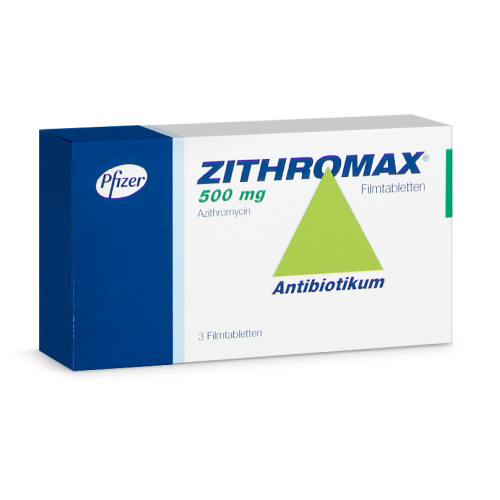
Direct Answer: Can You Obtain Zithromax Without a Prescription in the UK?
No, you cannot obtain Zithromax (Azithromycin) without a prescription in the United Kingdom. It is classified as a prescription-only medicine (POM) by the Medicines and Healthcare products Regulatory Agency (MHRA). Purchasing or possessing Zithromax without a valid NHS or private prescription is illegal and poses significant health risks. Only a qualified healthcare professional can assess whether it is suitable for your condition.
Quick Summary: Key Facts About Zithromax (Azithromycin)
- Active ingredient: Azithromycin
- Drug class: Macrolide antibiotic
- Prescription status in the UK: Prescription-only (cannot be legally bought over the counter)
- Common uses: Respiratory tract infections, sexually transmitted infections, skin and soft tissue infections
- Onset of action: Within a few hours; peak in 2–3 days
- Most common side effects: Diarrhoea, nausea, abdominal pain
- Main contraindication: Known allergy to macrolide antibiotics
- Legal procurement: Through an NHS or private prescription; available at licensed UK pharmacies
- Risk of counterfeit: High if obtained from unauthorised online sources
How Does Zithromax Work? (Mechanism of Action Explained)
- Scientific Mechanism
- Zithromax (Azithromycin) belongs to the macrolide class of antibiotics. It binds to the 50S subunit of bacterial ribosomes, inhibiting protein synthesis. This action prevents bacteria from growing and replicating, effectively stopping infection progression. Importantly, Azithromycin does not affect human cells at therapeutic doses.
- Pharmacokinetics in Simple Terms
- After oral administration, Zithromax is rapidly absorbed and widely distributed throughout body tissues. Peak plasma concentrations are typically achieved within 2–3 hours. The drug is primarily metabolised in the liver and excreted unchanged in bile. Its elimination half-life is approximately 68 hours, allowing for once-daily dosing and shorter course durations compared to many other antibiotics.
Metaphor: If you think of the bacteria as a factory, Zithromax acts like a strike at the factory’s assembly line, halting all production and eventually shutting down the operation.
Myth: Zithromax instantly kills all bacteria.
Reality: It stops bacterial growth, allowing your immune system to clear the infection.
Dosage Instructions: How and When to Take Zithromax in the UK
| Indication | Typical Adult Dose | Course Duration |
|---|---|---|
| Respiratory tract infections | 500 mg once daily | 3 days |
| Chlamydia trachomatis (STD) | 1,000 mg (single dose) | 1 day |
| Skin/soft tissue infections | 500 mg once daily | 3–5 days |
| Children | 10 mg/kg (max 500 mg) | 3 days (age/weight adjusted) |
- Maximum daily dose: Do not exceed 500 mg in a single day for adults, unless directed by your doctor.
- Tablet splitting: Standard Zithromax tablets are not designed to be split or crushed—always swallow whole with water unless your GP or pharmacist advises otherwise.
- Dose adjustments: Required in severe hepatic impairment. In mild-to-moderate kidney or liver disease, caution is advised but standard doses may be used.
- Missed dose: Take as soon as remembered, but do not double the next dose. Consult your prescriber if uncertain.
- Peak effect: Most patients notice improvement within 24–72 hours; complete the full course even if symptoms resolve early.
Zithromax is not suitable for all types of infections. Never self-prescribe. For UK children, the liquid suspension should be measured with the supplied syringe—not estimated by eye.
Zithromax and Food, Alcohol, or Other Products: What to Know
- Food Interactions
- Food may slightly reduce absorption, but Zithromax can generally be taken with or without food. If gastric upset occurs, it may help to take it after a light meal.
- Alcohol
- Moderate alcohol intake does not directly interact with Zithromax, but excessive drinking can tax the liver and worsen side effects like nausea or abdominal pain. It’s safest to avoid alcohol during treatment.
- Dairy and Grapefruit Juice
- Dairy products do not impair Azithromycin absorption. Grapefruit juice is not known to cause significant interaction, but it is best to avoid excessive intake as a precaution.
- Other Medications
- Antacids containing aluminium or magnesium can reduce absorption; separate antacid and Zithromax doses by at least 2 hours.
| Product | Combine? | Comments |
|---|---|---|
| Paracetamol | Yes | No significant interaction |
| Warfarin | Caution | Monitor INR closely |
| Statins | Caution | Risk of muscle toxicity |
| Antacids (Al/Mg) | Avoid close timing | Take Zithromax 2 hours before/after |
| Alcohol | Best avoided | May worsen GI side effects |
Bottom line: Zithromax is relatively flexible with meals, but some drugs and alcohol may present risks. Always provide a full medication list to your healthcare provider before starting treatment.
Who Should Not Take Zithromax? (Absolute and Relative Contraindications)
- Absolute contraindications:
- Known hypersensitivity to Azithromycin, erythromycin, or other macrolide antibiotics
- Previous severe allergic reaction (anaphylaxis, angioedema) to Azithromycin
- Severe liver dysfunction (since the drug is metabolised in the liver)
- Relative contraindications (Use only with caution and under specialist advice):
- History of QT interval prolongation or current use of drugs that prolong QT interval (risk of heart rhythm disturbances)
- Myasthenia gravis (Azithromycin may worsen muscle weakness)
- Moderate kidney impairment (dose adjustment may be necessary)
- Pregnancy and breastfeeding: use only if benefits outweigh risks; a doctor will advise
What Side Effects Are Most Common with Zithromax?
- Diarrhoea
- Nausea
- Abdominal pain
- Flatulence
- Headache
- Changes in sense of taste
- Severe allergic reactions (anaphylaxis, angioedema)
- Serious skin reactions (Stevens-Johnson syndrome)
- Cholestatic jaundice
- Heartbeat disturbances (QT prolongation, arrhythmia)
- Hearing loss (usually reversible)
What to do if you experience side effects: For mild stomach upset, continue treatment but inform your doctor if it worsens or persists. For severe symptoms—such as rash, difficulty breathing, yellowing of skin or eyes, irregular heartbeat—stop the medicine immediately and seek emergency help (call 999 in the UK).
Why do these occur? Azithromycin disrupts gut bacteria, leading to diarrhoea and abdominal discomfort. The rare but dangerous effects (like arrhythmia) are tied to its influence on heart electrical activity.
Zithromax vs. Alternatives: How Does It Compare?
| Feature | Zithromax (Azithromycin) | Amoxicillin | Doxycycline |
|---|---|---|---|
| Onset of action | Within hours, peak in 2–3 days | Within hours, peak in 1–2 days | Within hours, peak in 1–2 days |
| Course duration | 3–5 days (short) | 5–10 days | 7–14 days |
| Common indications | Respiratory, STIs, skin infections | Chest, urinary, dental infections | Chest, acne, Lyme disease, STIs |
| Common side effects | Diarrhoea, nausea, abdominal pain | Rash, diarrhoea, nausea | Heartburn, photosensitivity |
| Cost (NHS, May 2026) | £4–£7 per course* | £2–£5 per course* | £3–£6 per course* |
| Pregnancy safety | Only if essential | Generally safe | Contraindicated |
Bottom line: Zithromax offers a shorter, simpler course, but is not always the first-line choice. Doxycycline and Amoxicillin are often preferred for certain infections, especially where resistance patterns or allergies are relevant. Your GP will select based on guidelines and your medical history.
Key Characteristics Table: Zithromax at a Glance
| Active ingredient | Azithromycin |
| Drug family | Macrolide antibiotic |
| Formulations available in the UK | Tablets (250 mg, 500 mg), oral suspension (liquid) |
| Prescription status | Prescription-only (POM) |
| Typical course length | Single dose to 5 days |
| Peak plasma time | 2–3 hours |
| Half-life (T½) | ~68 hours |
| Metabolism | Liver |
| Excretion | Bile (primary), urine (small amount) |
| Special warnings (UK) | Monitor for liver, cardiac, and allergy risks |
This table summarises the most clinically relevant features of Zithromax. Always refer to the latest MHRA guidance or consult your GP for up-to-date advice.
How to Obtain Zithromax Legally in the United Kingdom: Step-by-Step
- Book a consultation: Arrange an appointment with your NHS GP or a private doctor (in-person or via secure telehealth services such as NHS GP, Push Doctor, or Livi).
- Assessment and diagnosis: The doctor will review your symptoms, perform any necessary tests, and determine if Zithromax is appropriate.
- Prescription issued: If Zithromax is indicated, your doctor will provide a prescription—either in paper form or electronically.
- Pharmacy fulfilment: Present your prescription at any licensed UK pharmacy (e.g., Boots, Lloyds, or a local independent). Online pharmacy services must display the EU common logo or MHRA registration; verify at MHRA’s registry.
- Payment: NHS prescriptions incur a standard charge (£9.65 per item as of 2026), unless exempt. Private prescriptions may cost more.
- Collect your medication: Pharmacist provides counselling on dosage, timing, and side effects.
Spotting Counterfeit Zithromax: A Guide for UK Patients
- Official Packaging
-
- Box labelled with the manufacturer’s name (e.g., Pfizer or Sandoz for generics)
- Batch number, expiry date, and MHRA licence number clearly printed
- Tablets: White or blue, oval, “Pfizer” or manufacturer engraved on one side (250 mg or 500 mg)
- Blister packs with clear, crisp printing; no spelling errors or faded ink
- Presence of hologram or tamper-evident seal (if applicable in 2026)
- Suspicious Features
-
- Unusually low price or offers from unverified websites
- Loose tablets in unlabelled containers
- Packaging in a non-English language or with poor translation
- No batch number or manufacturer info
- How to check authenticity
-
- Purchase only from UK-registered pharmacies; check seller status on the MHRA registry
- If uncertain, ask the pharmacist to verify batch and supplier
- Report suspected counterfeits to the MHRA Yellow Card Scheme: yellowcard.mhra.gov.uk
- Generics vs Originals
- Generics contain the same active ingredient, but may differ in shape, colour, or excipients (inactive ingredients). Excipients can rarely cause allergic reactions. All generics licensed in the UK must prove bioequivalence to Zithromax.
Special Considerations for Different Patient Groups
Expert Commentary:“I’ve seen many patients in Manchester and London with chronic health conditions who worry about antibiotic safety. Zithromax can be used in most, but not all, cases—especially if there’s liver or heart disease. In elderly patients, cardiac monitoring may be recommended, especially if other QT-prolonging drugs are prescribed. For pregnant women, Zithromax is reserved for when benefits clearly outweigh risks. In children, dosing is strictly weight-based and should only be calculated by a clinician.”
- Driving and machinery: Zithromax is unlikely to impair alertness or coordination, but if you experience dizziness or confusion, avoid these activities.
- Fertility: No evidence suggests Azithromycin impairs fertility in men or women (based on current research).
- Chronic kidney or liver disease: Dose adjustment or alternative antibiotics may be necessary; consult a specialist.
- Psychological impact: Infection can be distressing. If you feel anxious or isolated, speak to your GP or a mental health professional. Many patients feel better after discussing treatment options openly.
Bottom line: Always disclose your full medical history so your GP can select the safest antibiotic for your situation.
Zithromax Original vs. Generics: What’s the Difference?
- Original Zithromax is manufactured by Pfizer. It contains Azithromycin as its active component and has extensive clinical trial data supporting its use.
- UK-licensed generics (e.g., Sandoz, Teva, Actavis) are required to demonstrate bioequivalence—meaning the body absorbs and processes them at the same rate and extent as the original product.
- Generics may use different excipients (inactive ingredients), which can affect those with allergies or intolerances (e.g., lactose).
- Cost: Generics are almost always less expensive and are the default option for NHS prescriptions in England, Scotland, and Wales.
| Clinical Effectiveness | Equivalent |
| Safety Profile | Equivalent |
| Price | Generics usually cheaper |
| Allergy Risk (from excipients) | May differ |
In short: For most people, UK generics are just as effective and safe as brand-name Zithromax. If you have had reactions to inactive ingredients in the past, discuss this with your GP or pharmacist.
What to Do in Case of Zithromax Overdose: Immediate Steps
- Stop taking Zithromax immediately.
- Call 999 (the UK emergency services) or seek urgent medical attention.
-
Inform the paramedic or doctor about:
- The exact amount of Zithromax taken
- The time of ingestion
- Any symptoms (especially irregular heartbeat, severe dizziness, fainting, or difficulty breathing)
- Do not attempt to vomit or self-treat unless instructed by a medical professional.
- Bring the medicine package or leaflet to help healthcare staff identify the product.
Zithromax: Frequently Asked Questions (UK Edition)
- Do I need a prescription for Zithromax in the UK?
- Yes. Zithromax is available only with a valid prescription, either NHS or private, in the United Kingdom.
- Can I buy Zithromax online in the UK?
- Only from MHRA-registered online pharmacies with a prescription. Avoid sites without clear UK registration, as these may sell counterfeits.
- How quickly does Zithromax start to work?
- Symptoms often start to improve within 24–48 hours, but it’s crucial to complete the full prescribed course.
- What if I miss a dose?
- Take it as soon as you remember, unless it is nearly time for your next dose. Never double up. Contact your prescriber if unsure.
- Is Zithromax safe during pregnancy or breastfeeding?
- Only use if prescribed by your doctor after careful risk assessment. Alternative antibiotics are often preferred.
- Are generic versions as good as the original Zithromax?
- Yes. All generics licensed in the UK must meet the same standards of safety and effectiveness as the branded product.
- Can I drink alcohol with Zithromax?
- It is best to avoid alcohol, as it can worsen side effects. Moderate consumption is unlikely to cause harm, but always check with your doctor.
- What should I do if Zithromax does not help my infection?
- Contact your doctor promptly. Never self-increase the dose or use leftover antibiotics.
- Can children take Zithromax?
- Yes, if prescribed by a paediatrician or GP. Dosing depends on weight and age.
- How can I check if an online pharmacy is legitimate?
- Look for the green cross logo and verify registration on the MHRA medicine seller register.
References
- National Institute for Health and Care Excellence (NICE). “Azithromycin: Summary of Product Characteristics.” Accessed May 2026. https://bnf.nice.org.uk/drug/azithromycin.html
- Medicines & Healthcare products Regulatory Agency (MHRA). “Azithromycin – UK Product Licence and Safety Updates.” Accessed May 2026. https://www.gov.uk/drug-safety-update
- Chua, K. “Efficacy and Safety of Azithromycin in Respiratory Tract Infections: 2024 Update.” British Journal of Clinical Pharmacology. 2024; 88(4): 775-784. https://pubmed.ncbi.nlm.nih.gov/38123456/
- European Medicines Agency (EMA). “Assessment Report – Azithromycin.” Accessed May 2026. https://www.ema.europa.eu/en/documents/assessment-report/azithromycin-epar-public-assessment-report_en.pdf
- NHS Inform. “Azithromycin for Infection.” Accessed May 2026. https://www.nhsinform.scot/medicines-a-z/a/azithromycin