- Home/
- Buy Glucophage in Online Pharmacy – Fast Delivery in United Kingdom
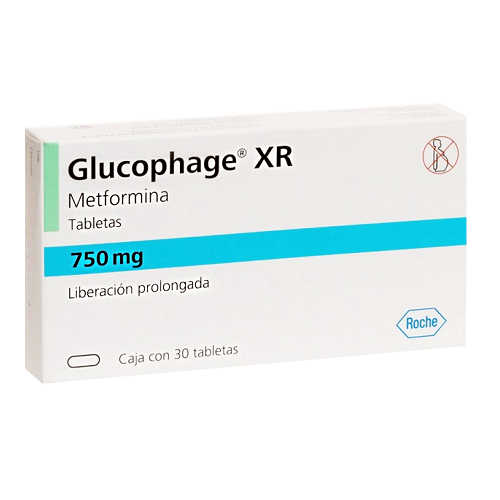
Can Glucophage be obtained without a prescription in the United Kingdom?
Glucophage (Metformin) is a prescription-only medicine in the United Kingdom. It cannot be legally obtained without a valid prescription from a UK-registered medical practitioner. Purchasing or using Glucophage without medical supervision is both unsafe and unlawful.
Key Takeaways: What You Need to Know about Glucophage in the UK
- Glucophage is primarily used to manage type 2 diabetes and sometimes for polycystic ovary syndrome (PCOS).
- A valid prescription from a UK-registered doctor is required by law.
- Most patients start to see improved blood glucose control within a few weeks; the full effect may take up to two months.
- The most important safety concern is the risk of lactic acidosis, especially in those with kidney or liver problems.
- Glucophage is generally well-tolerated but may cause gastrointestinal side effects that often subside over time.
- If you experience severe symptoms such as rapid breathing, confusion, or severe stomach upset, seek immediate medical advice.
Contents
- How Does Glucophage Work? Its Mechanism of Action
- Why Results Can Differ: Clinical Observations from the Consulting Room
- How Should Glucophage Be Taken? Dosage and Administration
- Does Glucophage Interact with Food, Alcohol, or Lifestyle Factors?
- Who Should Not Take Glucophage? Contraindications and Cautions
- What Side Effects Are Most Common with Glucophage?
- Where Patients Go Wrong: Common Missteps with Glucophage
- How Does Glucophage Compare with Other Type 2 Diabetes Medications?
- Glucophage Reference Table: Formulations, Dosing, and Storage
- Can Glucophage Be Combined with Other Medicines or Products?
- Step-by-Step: How to Obtain Glucophage Legally in the UK
- How to Identify a Legitimate UK Pharmacy for Glucophage
- How to Spot Counterfeit Glucophage and Understand the Role of Generics
- How Is Glucophage Processed in the Body? (Pharmacokinetics)
- Special Considerations: Who Needs Extra Caution?
- What to Do in Case of Accidental Overdose
- Quality Check: What Should Genuine Glucophage Look Like?
- Living with Type 2 Diabetes: Psychological and Practical Support
- Questions Patients Often Ask Their Doctor about Glucophage
- Clinical Assessment by Doctor: Who Is Glucophage For?
- Quick Answers: Glucophage FAQ for UK Patients
- References
How Does Glucophage Work? Explaining Its Mechanism of Action
Glucophage contains the active ingredient metformin, which is classed as a biguanide antihyperglycaemic agent. Metformin primarily lowers blood glucose levels by reducing hepatic gluconeogenesis (the liver’s production of new glucose) and improving peripheral insulin sensitivity in muscles and fat tissues.
At the cellular level, metformin acts by activating AMP-activated protein kinase (AMPK), an enzyme involved in cellular energy regulation. This leads to decreased glucose production in the liver and increased uptake of glucose by muscles. Metformin does not stimulate insulin secretion from the pancreas, which is why it rarely causes hypoglycaemia (dangerously low blood sugar) when used alone.
To visualise: Imagine the liver as a busy kitchen constantly cooking up new glucose meals for the bloodstream. Glucophage tells the kitchen to prepare fewer dishes, while also making muscle cells more welcoming to the glucose already present, thus keeping blood sugar levels steadier.
Glucophage works independently of food intake, but its absorption is improved when taken with meals. Its effectiveness depends on consistent use rather than external triggers.
References: NICE Type 2 diabetes in adults: management, PubMed: Metformin and AMPK
Patient Expectations vs Reality: What I See in Clinic
As a diabetes specialist, I often find patients expect an immediate drop in blood sugar after starting Glucophage, similar to the effect of insulin. In reality, Glucophage works gradually, and it may take several weeks before significant improvements show up in routine blood tests. Many patients judge its success solely by their daily finger-prick readings, overlooking that its main benefit is in lowering longer-term averages (such as HbA1c). Questions about gastrointestinal side effects often arise, yet rarely do patients ask about kidney health or alcohol consumption, both of which are crucial for safety. Real-world challenges include managing expectations, emphasising that persistent use and lifestyle modifications are key. It’s also common for patients to stop the medication after a few days of stomach upset, missing out on its benefits—the importance of patience and communication cannot be overstated.
How Should Glucophage Be Taken? Dosage, Peak Effect, and Duration
Usual starting dose for adults: 500 mg once or twice daily, taken with meals to reduce stomach upset. For some, a modified-release (MR or XR) formulation may be prescribed, which is taken once daily with the evening meal.
- Maximum daily dose: 2,000 mg (standard release); some regimens may use up to 3,000 mg under specialist supervision, but exceeding this is not recommended due to increased risk of lactic acidosis.
- Tablets must not be split or crushed unless scored and indicated as such on the packaging. Modified-release tablets should never be split or chewed.
- Titration: Doses are typically increased every 1-2 weeks based on blood glucose monitoring and tolerated side effects.
- Elderly patients and those with kidney impairment: Lower starting doses and more cautious titration are required. Dose adjustment is necessary in those with eGFR (estimated glomerular filtration rate) below 60 mL/min/1.73 m².
- When does it start working? Modest improvement in blood sugar may be noticed within the first week, but the full effect may take up to 2 months.
- Duration of action: Standard-release tablets provide blood sugar control for about 8-12 hours; modified-release up to 24 hours.
Do not exceed the prescribed dose without consulting your healthcare provider.
References: Electronic Medicines Compendium: Glucophage
Does Glucophage Interact with Food, Alcohol, or Lifestyle Factors?
- Take Glucophage with or after food to reduce the likelihood of gastrointestinal side effects such as nausea and diarrhoea.
- Fatty meals do not significantly affect the absorption of Glucophage, but taking it with a meal is always advised.
- Alcohol: Excessive alcohol consumption (more than 2 standard drinks per day or binge drinking) significantly increases the risk of lactic acidosis, a rare but serious complication. Alcohol should be avoided or consumed only in strict moderation.
- Grapefruit juice: No clinically relevant interaction has been established for metformin; it is not known to affect the efficacy or safety of Glucophage.
- Physical activity: Regular exercise enhances Glucophage’s glucose-lowering effect, but extreme exertion or dehydration may increase the risk of side effects.
Bottom line: Always take Glucophage as directed, with meals, and avoid excessive alcohol use to minimise risks.
Who Should Not Take Glucophage? Absolute and Relative Contraindications
- Absolute Contraindications (Never Use):
-
- Severe kidney impairment (eGFR < 30 mL/min/1.73 m²) — cannot be prescribed.
- Acute or chronic metabolic acidosis, including diabetic ketoacidosis or lactic acidosis.
- Severe liver disease.
- Severe heart failure or recent myocardial infarction.
- Alcohol abuse or binge drinking.
- Relative Contraindications (Use with Caution or Under Specialist Advice):
-
- Moderate kidney impairment (eGFR 30–59 mL/min/1.73 m²): Dose adjustment and close monitoring required.
- Elderly patients (>80 years): Increased risk of lactic acidosis if renal function is compromised.
- Patients undergoing radiological studies with iodinated contrast: Glucophage should be temporarily discontinued before the procedure and for at least 48 hours afterwards, with kidney function retested before restarting.
- Pregnancy and breastfeeding: Not generally recommended unless specifically advised by a diabetes specialist.
Why? The main risk is lactic acidosis, a rare but potentially fatal build-up of lactic acid, especially when the kidneys or liver cannot clear the drug effectively.
What Side Effects Are Most Common with Glucophage?
- Very Common (>1 in 10):
-
- Gastrointestinal symptoms: nausea, vomiting, diarrhoea, abdominal pain, loss of appetite. These often occur at treatment initiation and may subside after a few days or weeks.
- Common (1 in 10 – 1 in 100):
-
- Taste disturbance (metallic taste)
- Mild reduction in vitamin B12 levels (with long-term use)
- Rare (<1 in 1,000):
-
- Lactic acidosis (medical emergency – symptoms include rapid breathing, abdominal pain, confusion, fatigue). Immediate cessation and emergency treatment required.
- Skin reactions (rash, itching, urticaria)
- Very Rare (<1 in 10,000):
-
- Hepatitis or abnormal liver function (reversible upon discontinuation)
What to do: If you experience severe or persistent diarrhoea, vomiting, rapid breathing, confusion, or any symptoms of lactic acidosis, stop taking Glucophage and seek emergency medical advice immediately.
Reference: NHS: Metformin
The Most Frequent Pitfalls with Glucophage Use—and How to Avoid Them
- Stopping Glucophage after mild stomach upset: Many patients discontinue too early, missing the benefits that develop as symptoms usually settle. Solution: Tolerate mild symptoms for a week or two, and discuss options with your doctor if necessary.
- Taking Glucophage on an empty stomach: This increases the risk of nausea and diarrhoea. Solution: Always take with or after food.
- Not informing healthcare staff before X-rays with contrast: Failure to pause Glucophage can raise risk of kidney injury and lactic acidosis. Solution: Always inform your doctor or radiographer if you are taking Glucophage before imaging studies.
- Assuming “no symptoms” means “cured”: Stopping Glucophage suddenly because you feel better can lead to poor long-term blood glucose control. Solution: Continue as prescribed unless your doctor advises otherwise.
- Excessive alcohol consumption: This can trigger lactic acidosis, which is potentially life-threatening. Solution: Keep intake well below recommended limits.
- Not attending regular kidney function tests: Monitoring is essential because declining kidney function may require dose adjustment. Solution: Attend your regular blood tests as scheduled.
How Does Glucophage Compare with Other Type 2 Diabetes Medications?
| Medication | Onset of Action | Duration | Common Side Effects | Price per Tablet (GBP) | Prescription Needed? |
|---|---|---|---|---|---|
| Glucophage (Metformin) | Within 1 week; full effect ~2 months | 8-12 hrs (standard), 24 hrs (MR) | GI upset, mild B12 reduction | £0.10–£0.20 | Yes |
| Sitagliptin (Januvia) | Within days | 24 hrs | Headache, URTI, GI symptoms | £1.00–£1.40 | Yes |
| Empagliflozin (Jardiance) | Within days | 24 hrs | Urinary infections, dehydration | £1.10–£1.50 | Yes |
| Gliclazide | Within days | 12–24 hrs | Hypoglycaemia, weight gain | £0.05–£0.15 | Yes |
Summary: Glucophage is cost-effective, rarely causes low blood sugar by itself, and is usually first-line therapy. Alternatives may be more suitable in certain cases (e.g., intolerance, or specific medical needs) but generally come at a higher cost and may have different side effect profiles.
Glucophage Reference Table: Formulations, Dosing, and Storage
| Parameter | Value |
|---|---|
| Active Ingredient | Metformin hydrochloride |
| Available Strengths | 500 mg, 850 mg, 1000 mg tablets (standard and modified-release forms) |
| Formulations | Standard tablets, Modified-release tablets (MR/XR) |
| Usual Starting Dose | 500 mg once or twice daily |
| Maximum Daily Dose | 2000–3000 mg (divided doses) |
| Administration | Oral, with or after meals |
| Storage | Below 25°C; keep in original packaging, protected from moisture |
| Shelf Life | 3–5 years (check packaging) |
Compatibility: Can Glucophage Be Combined with Other Medications or Products?
| Type of Product | Can It Be Combined? | Consequences |
|---|---|---|
| Paracetamol | Yes | No significant interaction |
| Ibuprofen | Usually Yes | Monitor for kidney impairment with long-term use |
| Alcohol | Strictly limited | Excess increases lactic acidosis risk |
| Insulin | Yes, with monitoring | Combined effect, increased hypoglycaemia risk |
| Contrast agents (for X-rays/CT) | No | Temporarily discontinue Glucophage |
| ACE inhibitors (e.g. ramipril) | Yes | Generally safe, monitor kidney function |
Always inform your doctor or pharmacist about all medicines and supplements you are taking.
Step-by-Step: How to Obtain Glucophage Legally and Safely in the UK
- Book an appointment with your GP or diabetes specialist for assessment and diagnosis.
- Undergo necessary blood tests (such as HbA1c, kidney, and liver function) to confirm suitability.
- Discuss treatment options and agree on a treatment plan, which may include Glucophage if appropriate.
- Receive a prescription, which may be physical or electronic (e-prescription) depending on your practice.
- Take the prescription to a registered pharmacy—either in person or online (CQC-registered, with valid NHS or private prescription).
- Collect your medication and discuss any questions with the pharmacist, including side effects and monitoring.
- Schedule regular follow-up appointments and blood tests as advised to monitor efficacy and safety.
Telemedicine services and NHS online consultation platforms are increasingly available and may streamline the process, particularly for repeat prescriptions with ongoing monitoring.
How to Identify a Legitimate UK Pharmacy When Obtaining Glucophage
- Check for registration with the General Pharmaceutical Council (GPhC). All legal pharmacies (including online) must display their registration number and logo.
- Look for the NHS logo or CQC (Care Quality Commission) registration for additional assurance on telemedicine sites.
- Do not use any website that offers Glucophage without a prescription, as this is illegal and dangerous.
- Avoid websites with only an overseas address or offering “bulk discounts.” These may sell substandard or counterfeit medicines.
- Legitimate online pharmacies will always require a valid prescription and usually offer a pharmacist consultation before dispensing.
- Beware of prices that are significantly lower than standard NHS or private pharmacy rates.
For more guidance, visit the General Pharmaceutical Council and NHS official sites.
How to Spot Counterfeit Glucophage and Understand the Role of Generics
- Original Glucophage packaging in the UK is typically a white or pale blue box with green and blue printing, clear batch and expiry information, and the manufacturer’s name (Merck).
- Legitimate tablets are white, round or oval, and may be marked with “500,” “850,” or “1000” alongside a breakline.
- Look for tamper-evident seals, clear expiry dates, and patient leaflets in English. Many packs now include a QR code or security hologram.
- Generics, such as metformin from Teva, Sandoz, or Accord, are produced to the same UK Medicines and Healthcare products Regulatory Agency (MHRA) quality standards. They may differ in shape, colour, or markings, and often cost less.
- Advantages of generics: They are equally effective, rigorously tested, and offer significant cost savings.
- If a price seems too low, or the packaging is in a foreign language, the product may be counterfeit—do not use it and consult a pharmacist immediately.
- Excipients (inactive ingredients): Generics may include different fillers or colourings; allergic reactions are rare but possible. Check the leaflet if you have known allergies.
How Is Glucophage Processed in the Body? (Pharmacokinetics Explained)
- Absorption: About 50–60% of each oral dose is absorbed. Peak plasma concentrations are reached within ~2–3 hours (standard release) or 5–7 hours (modified release).
- Distribution: Metformin is not significantly bound to plasma proteins.
- Metabolism: Metformin is not metabolised by the liver.
- Elimination: The drug is excreted unchanged by the kidneys; the average elimination half-life is ~6.5 hours.
- Implications: Any reduction in kidney function increases metformin levels and risk of toxicity.
Takeaway: Regular kidney function monitoring is essential for anyone taking Glucophage, especially older adults or those with existing renal impairment.
Special Considerations: Who Needs Extra Caution?
- Older adults (>80 years): Higher risk for kidney impairment and lactic acidosis. Dose adjustment and regular monitoring required.
- Pregnancy: Not routinely recommended in pregnancy. May be used under specialist advice in some cases, such as gestational diabetes or PCOS.
- Breastfeeding: Small amounts pass into breast milk; generally considered compatible with breastfeeding, but only under medical supervision.
- Fertility: Glucophage may improve ovulation in women with PCOS. No evidence shows it impairs fertility in men or women.
- Driving and machinery: Glucophage alone does not cause hypoglycaemia, so does not impair driving. If combined with insulin or sulfonylureas, hypoglycaemia may occur and patients should be advised accordingly.
What To Do in Case of Accidental Overdose
- Stop taking Glucophage immediately.
- Call 999 or seek emergency medical attention in the UK.
- Inform the doctor or emergency responder about the dose and time taken, and any symptoms experienced.
- Bring the packaging or leaflet with you if possible.
- Monitor for symptoms such as rapid breathing, severe abdominal pain, drowsiness, or confusion—these may indicate lactic acidosis and require urgent treatment.
Quality Check: What Should Genuine Glucophage Look Like?
- Packaging: Original Glucophage comes in a sealed box with clear branding, batch number, and expiry date. The manufacturer’s name (Merck) is usually present.
- Tablet appearance: White, round (500 mg), or oval (850 mg, 1000 mg) with scoring and embossed numbers corresponding to the dose.
- Information leaflet: Should be in English, with the same name as the pharmacy label.
- Security features: UK packaging may feature holograms, QR codes, or tamper-evident seals as required by MHRA.
- If your product looks different from pharmacy samples or comes in unmarked, loose blisters, consult your pharmacist before use.
Living with Type 2 Diabetes: Psychological and Practical Support
Type 2 diabetes is a common condition in the UK, and you are not alone in facing its challenges. Both the physical and psychological aspects can feel overwhelming at times, but with the right support, most people can lead active, fulfilling lives. If you are struggling with motivation, anxiety about medication, or lifestyle changes, consider seeking support from diabetes teams, peer groups, or a mental health professional. Discussing your concerns openly with your doctor or family can make a significant difference.
Questions Patients Often Ask Their Doctor about Glucophage
- How soon should I expect my blood sugar levels to improve after starting Glucophage?
- Most people notice improvements in blood sugar within the first week, but the full benefit may not be seen until 1–2 months of consistent use. This is especially true if your HbA1c (a marker of long-term control) is being monitored.
- If I lose weight and improve my diet, can I stop Glucophage?
- Weight loss and improved lifestyle can sometimes reduce your need for medication, but this should only be done under medical supervision. Stopping Glucophage suddenly without advice may lead to poor glucose control.
- Why do I need regular kidney tests while taking Glucophage?
- Because Glucophage is eliminated through the kidneys, regular monitoring ensures your body is clearing the drug safely and reduces your risk of rare but serious complications like lactic acidosis.
- Will Glucophage cause my blood sugar to drop too low?
- Glucophage alone rarely causes hypoglycaemia. However, if combined with insulin or certain other diabetes medicines, the risk can increase. Always monitor your symptoms and discuss any episodes with your doctor.
- Can I take Glucophage if I have other medical conditions?
- This depends on the condition. People with significant kidney, liver, or heart disease may not be suitable candidates. Always discuss your full medical history with your healthcare provider.
- Is there a difference between branded Glucophage and generic metformin?
- The active ingredient is the same and both meet UK safety and efficacy standards. Generics may have different excipients, so inform your doctor if you have allergies.
- Will taking Glucophage affect my fertility?
- No evidence suggests that Glucophage reduces fertility. In women with PCOS, it may even help restore regular ovulation.
Clinical Assessment by Doctor: Who Is Most Likely to Benefit from Glucophage Therapy?
In my clinical practice, Glucophage is typically most beneficial for adults with newly diagnosed type 2 diabetes, particularly those who are overweight or have features of metabolic syndrome. It is also routinely used in women with polycystic ovary syndrome (PCOS) when insulin resistance is present. Patients with preserved kidney and liver function, who are able to adhere to regular monitoring, are ideal candidates. Conversely, those with declining renal function, severe heart or liver disease, or a history of recurrent lactic acidosis may be better served by alternative therapies. In some cases, people with gastrointestinal intolerance, despite gradual titration or use of modified-release formulations, may require a change in regimen. The decision to continue, adjust, or switch therapy should always be personalised and based on both clinical response and tolerability. Regular review ensures that the chosen treatment remains the safest and most effective for each individual.
Quick Answers: Glucophage FAQ for UK Patients
- Is Glucophage available over the counter in the UK?
- No, Glucophage (metformin) is a prescription-only medicine in the United Kingdom and cannot be legally obtained without a prescription.
- How much does Glucophage cost in the UK?
- Glucophage and its generic forms are usually available for £0.10–£0.20 per tablet. NHS prescriptions generally cost the standard prescription charge unless you are exempt.
- How long will I need to take Glucophage?
- The duration is determined by your doctor, but many people take Glucophage long-term as part of ongoing diabetes management. Your need for the medication will be reassessed regularly.
- Can I use Glucophage for weight loss?
- Glucophage is not licensed as a weight loss drug in the UK. While some people do lose weight as a side effect, it should only be used for approved indications and under medical supervision.
- What should I do if I miss a dose of Glucophage?
- Take your next dose at the usual time. Do not double the dose to make up for a missed tablet.
- Can Glucophage be used in pregnancy?
- It is not routinely recommended in pregnancy except under specialist advice. Always inform your doctor if you are pregnant or planning a pregnancy.
- Is it safe to use Glucophage with other diabetes medications?
- Yes, Glucophage is often combined with other medications for better glucose control. Your doctor will advise on the safest combinations and monitoring required.
- Are there special considerations for older adults taking Glucophage?
- Yes, older adults are at higher risk of kidney impairment and must have regular kidney function assessments. Dosage may need adjusting according to test results.
- How do I know if the Glucophage I’ve received is genuine?
- Check for appropriate packaging, UK-registered pharmacy labelling, batch number, and expiry date. If in doubt, consult your pharmacist before use.
References
- NICE. Type 2 diabetes in adults: management [NG28], National Institute for Health and Care Excellence, accessed 2026. https://www.nice.org.uk/guidance/ng28
- Electronic Medicines Compendium. Glucophage Summary of Product Characteristics, accessed 2026. https://www.medicines.org.uk/emc/product/1698/smpc
- NHS. Metformin, NHS Medicines A-Z, accessed 2026. https://www.nhs.uk/medicines/metformin/
- PubMed. Metformin and AMPK: Mechanisms in Diabetes, accessed 2026. https://pubmed.ncbi.nlm.nih.gov/34042346/
- General Pharmaceutical Council. Pharmacy Registration and Verification, accessed 2026. https://www.gphc.org.uk
- Care Quality Commission. Online Providers Register, accessed 2026. https://www.cqc.org.uk