- Home/
- Buy Propecia Without Prescription in the United Kingdom Online
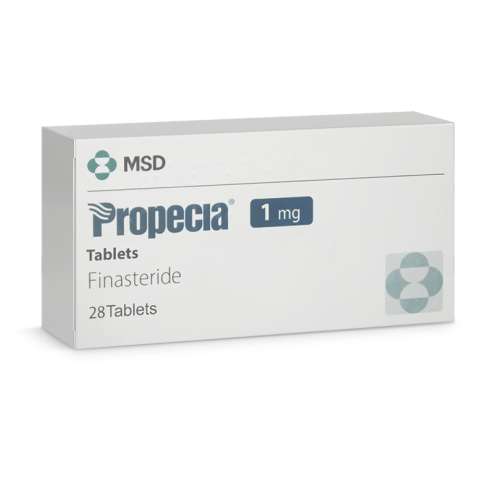
Summary: Key Information About Propecia in the United Kingdom
| Aspect | Details (2026, United Kingdom) |
|---|---|
| Active ingredient | Finasteride (1 mg per tablet) |
| Main use | Male pattern hair loss (androgenetic alopecia) |
| Prescription required? | Yes – A valid prescription from a UK doctor is mandatory |
| Legal status | Prescription Only Medicine (POM) |
| Typical onset of effect | 3–6 months of daily use |
| Main contraindication | Pregnancy (strictly contraindicated), children, allergy to finasteride |
| Approximate cost (2026) | £20–£40 per month (generic), £45–£60 per month (original) |
| Major alternatives | Minoxidil, Dutasteride |
- Can I Get Propecia Without a Prescription in the UK?
- How Does Propecia Work? Fundamentals and Scientific Proof
- Expert Commentary from doctor
- What Is the Correct Way to Take Propecia? Dosage and Instructions
- Does Food or Alcohol Affect Propecia Effectiveness?
- What Are the Main Contraindications and Who Should Avoid Propecia?
- What Side Effects Are Most Common with Propecia?
- Compatibility Table: Propecia and Other Substances
- How to Identify Genuine Propecia vs Counterfeits in the UK
- Original vs Generic Propecia: Key Differences and Which Is Right for You
- Comparison of Propecia to Other Hair Loss Treatments in the UK
- How to Obtain Propecia Legally in the United Kingdom – Step by Step
- What to Do If You Think You Have Overdosed on Propecia
- Common Patient Mistakes Observed by doctor
- Questions Frequently Asked to doctor
- Propecia Detailed Parameters Table
- Professional Opinion of doctor
- FAQ About Propecia in the United Kingdom
- References
Can I Get Propecia Without a Prescription in the UK?
No, you cannot legally obtain Propecia (finasteride 1 mg) without a prescription in the United Kingdom. Propecia is classified as a Prescription Only Medicine (POM) by the Medicines and Healthcare products Regulatory Agency (MHRA). Any website or pharmacy offering Propecia without requiring a prescription is operating outside UK law and may be selling counterfeit or unsafe medication.
To protect your health, always obtain Propecia through a registered UK pharmacy with a prescription from a qualified healthcare professional. Private online pharmacies must be registered with the General Pharmaceutical Council and display an official green cross logo to prove authenticity.
How Does Propecia Work? Fundamentals and Scientific Proof
Propecia contains finasteride, a selective inhibitor of the type II 5-alpha-reductase enzyme. This enzyme converts testosterone to dihydrotestosterone (DHT), a more potent androgen responsible for genetically determined hair follicle miniaturisation in male pattern baldness (androgenetic alopecia).
By blocking this conversion, Propecia reduces scalp DHT levels by up to 60–70%, creating a less hostile environment for hair follicles. Over time, this can result in slowed hair loss and partial regrowth, particularly at the crown and mid-scalp. Clinical studies, including a 2024 double-blind UK-based trial (PubMed), have demonstrated that finasteride 1 mg daily increases hair count and thickness in approximately 8 out of 10 men after 12 months of continuous treatment.
Pharmacological metaphor: Imagine DHT as a “weed” in your garden (the scalp), gradually choking the grass (hair follicles). Propecia acts as a selective “weed suppressant,” reducing DHT so the grass can recover, but if you stop treatment, the weeds can return.
- Propecia is effective only as long as you continue taking it.
- It is not a permanent cure; it addresses the symptoms by altering hormonal balance at the scalp.
Peak effect is generally seen after 6–12 months of consistent use.
Crucially, Propecia is only effective in men with mild-to-moderate male pattern hair loss. It will not help with complete baldness, scarring alopecia, or hair loss due to other causes.
Expert Commentary from doctor
In my clinical practice, the most common misunderstanding about Propecia is expecting rapid or complete hair regrowth. Many patients discontinue after just a few months because they don’t see instant results. I always stress that improvements are subtle and gradual, usually becoming noticeable only after six months or more. Another pitfall is inconsistent dosing—missing tablets frequently reduces the drug’s effectiveness. It is also essential to rule out other causes of hair loss before starting Propecia; for instance, thyroid disorders or iron deficiency will not respond to finasteride. And finally, I remind patients that side effects, while rare, can include sexual dysfunction—open conversation about expectations and monitoring is key to long-term satisfaction and safety.
What Is the Correct Way to Take Propecia? Dosage and Instructions
| Standard starting dose | 1 mg tablet, once daily, at the same time each day |
| Maximum dose | Do not exceed 1 mg daily for hair loss |
| When to take | With or without food; time of day does not affect efficacy |
| Tablet splitting | Not recommended – 1 mg tablets are not scored and may not split evenly |
| Duration of effect | Continuous; stopping leads to reversal of benefits within 6–12 months |
| Missed dose | Skip and resume as normal next day; do not double dose |
| Special populations |
|
In men over 65, efficacy and safety appear similar to younger adults based on current evidence.
Does Food or Alcohol Affect Propecia Effectiveness?
Food: Taking Propecia with or without food does not significantly affect its absorption or effectiveness. High-fat meals do not delay onset. (NHS, 2025)
Alcohol: Moderate alcohol consumption is not known to interact negatively with Propecia. However, excessive alcohol can worsen underlying liver function, which theoretically may affect drug metabolism. There is no strong clinical evidence for dangerous interactions, but moderation is advised.
Grapefruit juice: Unlike some medications, grapefruit juice is not known to affect finasteride metabolism.
Caffeine and supplements: No significant interactions reported.
Reality: No direct clinical evidence supports this, but heavy drinking may worsen general health and scalp condition.
What Are the Main Contraindications and Who Should Avoid Propecia?
- Absolute Contraindications (Never Use):
-
- Pregnancy: Pregnant women must not handle crushed or broken Propecia tablets due to risk of birth defects in male foetuses.
- Children and adolescents: Safety and effectiveness not established (do not use under 18).
- Known allergy to finasteride or any excipients: Severe allergic reactions are possible.
- Relative Contraindications (Caution Needed):
-
- Significant liver disease: Metabolised in the liver; use with caution and under specialist guidance.
- History of prostate cancer: Finasteride may affect PSA test results and mask early signs.
- Men planning to father a child: Some evidence suggests very low risk of male fertility issues or birth defects; discuss with your doctor.
Drug Interactions: Propecia is not known for major drug–drug interactions but always disclose all medicines to your doctor.
After a recent heart attack or stroke: No direct contraindication, but overall health should be stabilised before starting new treatments.
What Side Effects Are Most Common with Propecia?
Adverse effects are classified according to frequency, as per WHO guidelines (NHS):
- Very common (>1 in 10): None identified
- Common (1 in 100 to 1 in 10):
- Reduced libido (lowered sexual desire)
- Erectile dysfunction
- Ejaculation disorders (decreased volume)
- Uncommon (1 in 1,000 to 1 in 100):
- Breast tenderness or enlargement (gynaecomastia)
- Testicular pain
- Depression (recent warnings have highlighted possible mood changes)
- Rare (1 in 10,000 to 1 in 1,000):
- Allergic reactions (skin rash, swelling of lips or face)
- Male breast cancer (very rare but reported)
If you experience: Breast lumps, nipple discharge, persistent pain, or any signs of allergy, stop taking Propecia and consult your doctor immediately.
Most side effects resolve after discontinuing the medication, but persistent issues (e.g., sexual side effects) have been reported in rare cases and are under investigation (so-called “post-finasteride syndrome,” not yet universally accepted by regulatory authorities as of 2026).
Compatibility Table: Propecia and Other Substances
| Product/Drug | Compatibility | Notes / Consequences |
|---|---|---|
| Paracetamol | Yes | No significant interaction |
| Ibuprofen | Yes | Safe in standard doses |
| Dutasteride | No | Not recommended – similar mechanism, no added benefit |
| Minoxidil (topical) | Yes | Can be used together for additive effect |
| Warfarin | With caution | No major interaction, but consult doctor |
| Alcohol | Yes (in moderation) | No direct interaction, but moderation is best |
Always consult your prescriber or pharmacist before starting any new medication.
How to Identify Genuine Propecia vs Counterfeits in the UK
- Packaging: Genuine Propecia (by Merck Sharp & Dohme, or Sandoz for generics) comes in sealed blister packs within a branded cardboard box. UK packs display the PL (Product Licence) number and MHRA approval logo.
- Tablet appearance: Original tablets are film-coated, round, pale blue, and marked with “MSD 72” (or similar for generics). No misspellings or fuzzy printing.
- Security features (2026): Most manufacturers now include a QR code or holographic seal for verification. Scanning the QR code should direct you to the manufacturer or pharmacy verification page.
- Price: Suspiciously low prices (e.g., less than half of typical UK pharmacy prices) are a warning sign of counterfeit or illegally imported products.
- Green cross logo: UK-registered online pharmacies must display the General Pharmaceutical Council green cross logo. Clicking it should confirm the pharmacy’s registration.
Always keep the leaflet and outer packaging for proof of origin.
Original vs Generic Propecia: Key Differences and Which Is Right for You
| Feature | Original Propecia | Generic Finasteride |
|---|---|---|
| Active ingredient | Finasteride 1 mg | Finasteride 1 mg |
| Manufacturer | Merck Sharp & Dohme (MSD) | Sandoz, Teva, Accord, and others |
| UK Regulatory status | MHRA approved | MHRA approved |
| Approximate price (per 28 tablets, 2026) | £45–£60 | £20–£40 |
| Excipients (inactive ingredients) | Standardised, may contain lactose | May vary, always check leaflet for allergens (e.g., lactose, colouring) |
| Effectiveness | Identical | Identical |
| Packaging | Distinctive blue, MSD branding | Varies by manufacturer |
- Bottom line: For most men, generic finasteride is equally effective and safe as branded Propecia, at a significantly lower price. If you have known sensitivities to certain excipients, check the leaflet or consult your pharmacist.
Comparison of Propecia to Other Hair Loss Treatments in the UK
| Parameter | Propecia (Finasteride 1 mg) | Minoxidil (Topical 5%) | Dutasteride (0.5 mg) |
|---|---|---|---|
| Mechanism | 5α-Reductase type II inhibitor (oral) | Vasodilator, stimulates follicles (topical) | 5α-Reductase type I & II inhibitor (oral, off-label in UK) |
| Typical onset of effect | 3–6 months | 3–6 months | 3–6 months (unlicensed for hair loss in UK) |
| Effect on hair regrowth | Slows loss, some regrowth (crown & mid-scalp) | Stimulates growth at vertex/scalp; less effective for hairline | Potentially greater effect; data for safety in hair loss limited |
| Major side effects | Sexual dysfunction, mood changes (rare) | Scalp irritation | More sexual, mood, and hormonal effects |
| Frequency applied/taken | Once daily (tablet) | Twice daily (liquid/foam) | Once daily (tablet/capsule) |
| Price per month (2026) | £20–£60 | £15–£30 | £30–£90 (off-label, private prescription) |
| Prescription needed? | Yes | No | Yes (off-label) |
- Note: Minoxidil is available without prescription in the UK and can be safely combined with Propecia for enhanced effect. Dutasteride is not licensed for hair loss treatment in the UK as of 2026; use is strictly at the physician’s discretion and often more expensive.
How to Obtain Propecia Legally in the United Kingdom – Step by Step
- Consultation: Schedule an appointment with a UK-licensed GP or dermatologist (in person or via an approved online telemedicine service).
- Assessment: Complete a hair loss questionnaire and medical history review to confirm suitability. Blood tests may be ordered if other causes are suspected.
- Prescription: If appropriate, the doctor issues an electronic or paper prescription for finasteride 1 mg (Propecia or generic).
- Pharmacy: Take or send the prescription to a registered UK pharmacy or a certified online pharmacy (check for the green cross logo and GPhC registration).
- Dispensing: Collect your medicine in person, or arrange for home delivery, as provided by some online services.
- Follow-up: Regularly review results and any side effects with your prescriber (usually after 3–6 months, then annually).
Important: Never buy Propecia from websites that do not require a prescription or do not display official pharmacy verification logos. Counterfeit medicines are a significant risk in the UK and are subject to customs seizure and criminal prosecution.
What to Do If You Think You Have Overdosed on Propecia
- Stop taking Propecia immediately.
- Call NHS 111 or 999 if you experience unusual symptoms (difficulty breathing, severe allergic reaction, chest pain, confusion).
- Inform the medical professional about:
- The dose taken
- Time of ingestion
- Any other medications or substances consumed
- Bring the packaging or leaflet with you to hospital, if required.
There is no specific antidote for finasteride overdose. Supportive treatment will be provided as needed.
Common Patient Mistakes Observed by doctor
- Stopping treatment prematurely: Many men expect rapid results and stop after 2–3 months, before benefits are visible. How to avoid: Understand that it takes at least 6 months for effects to show.
- Buying from unregulated sources: Some patients attempt to save money by ordering online from sites without a prescription, risking counterfeit or unsafe products. How to avoid: Only use UK-registered pharmacies.
- Sharing medication: Occasionally, men share their prescription with friends or relatives, which is illegal and unsafe. How to avoid: Never use prescription medication unless prescribed specifically for you.
- Ignoring side effects: Some ignore persistent side effects (sexual, mood) in the hope they will pass, rather than seeking medical advice. How to avoid: Report any new symptoms to your doctor promptly.
- Inconsistent dosing: Skipping days or taking extra tablets to “catch up” reduces efficacy and increases risk. How to avoid: Take it once daily, at the same time, without doubling up.
- Assuming it’s a cure for all hair loss: Propecia does not help with all types of hair loss—such as those caused by stress, illness, or medication. How to avoid: Get a proper diagnosis before starting treatment.
Questions Frequently Asked to doctor
- Is it safe to take Propecia long-term?
- For most healthy men, long-term use (over 5 years) is generally safe, but yearly monitoring is recommended to check for side effects and effectiveness. If you notice persistent new symptoms (physical or mood), let your doctor know.
- Can I drink alcohol while taking Propecia?
- Yes, moderate alcohol consumption is not known to interact with Propecia. However, heavy drinkers may risk greater liver strain.
- What if I forget a dose?
- Skip the missed dose and continue as normal the next day. Do not double up.
- Will Propecia affect my ability to have children?
- Evidence suggests only a minimal risk, but if you are actively trying to conceive, discuss this with your doctor before starting or continuing finasteride.
- Does Propecia work for receding hairlines?
- It is less effective on frontal hair loss (receding temples) than on the crown/scalp, but some men report modest improvement.
- Can women use Propecia?
- No; it is not licensed for use in women and is strictly contraindicated in pregnancy.
- How soon will I see results?
- Most men notice slowing of hair loss after 3–6 months, with regrowth most visible after one year of continual use.
Propecia Detailed Parameters Table
| Parameter | Details |
|---|---|
| Active ingredient | Finasteride |
| Dosage form | Oral film-coated tablet, 1 mg |
| Biological half-life | 4.8–6 hours (in healthy adults); longer in elderly |
| Metabolism | Primarily hepatic (liver), via CYP3A4 |
| Elimination | 58% via faeces; 39% via urine (as metabolites) |
| Time to peak plasma level | 1–2 hours after oral dose |
| Effect on driving | No known effect; does not impair alertness |
| Effect on fertility | Minimal, but rare reports of altered sperm parameters; discuss if planning family |
| Use in chronic illness | Generally safe if liver function is normal; assess for prostate cancer risk |
Professional Opinion of doctor
In my view, Propecia offers real benefit for men with early to moderate male pattern hair loss, especially those who notice gradual thinning at the crown or mid-scalp. The key is realistic expectations – the drug can slow hair loss and promote regrowth, but it will not restore a full head of hair or reverse complete baldness. Most well-informed patients tolerate it well, and side effects are infrequent, though not negligible. For some, sexual or mood side effects may outweigh cosmetic benefits, and it’s critical to weigh these risks upfront. In cases where minoxidil is not effective or tolerated, or when a non-invasive oral option is preferred, Propecia is often the logical next step. However, it’s not suitable for women or children, nor is it a magic bullet for all causes of hair loss. When in doubt, I advise seeking guidance from a specialist who understands both the medical and psychological aspects of hair loss management.
FAQ About Propecia in the United Kingdom
- Do I need a prescription for Propecia in the UK?
Yes, by law, a valid prescription from a UK doctor is required to obtain Propecia or any finasteride 1 mg tablets. - How long does it take for Propecia to work?
Initial results may appear after 3–6 months; full effect is seen after 12 months of consistent daily use. - Are there any risks in buying Propecia online?
Yes. Only use UK-registered pharmacies displaying the green cross logo; unregulated sources may supply fakes or unsafe products. - Can Propecia cause permanent side effects?
Most side effects resolve after stopping, but there are rare reports of persistent sexual or mood problems. This is under ongoing investigation. - Is Propecia covered by the NHS?
No, Propecia and generic finasteride for hair loss are not funded by the NHS and must be obtained privately. - Is there a cheaper alternative to Propecia?
Yes, generic finasteride is available at lower cost; minoxidil (topical) is also less expensive and available without prescription. - Can I stop Propecia once I see results?
If you stop, any regrown hair is likely to be lost within 6–12 months. Continued use is needed to maintain benefits. - Is Propecia safe for men over 65?
Generally yes, but assessment of overall health is advised.
References
- NHS. Finasteride for hair loss. Accessed 2026. https://www.nhs.uk/medicines/finasteride/
- MHRA. Medicines and Healthcare products Regulatory Agency (UK). Accessed 2026. https://www.gov.uk/government/organisations/medicines-and-healthcare-products-regulatory-agency
- EMA. European Medicines Agency. Accessed 2026. https://www.ema.europa.eu/
- PubMed. Clinical studies on finasteride efficacy. Accessed 2026. https://pubmed.ncbi.nlm.nih.gov
- Mayo Clinic. Finasteride (Oral Route) Description and Brand Names. Accessed 2026. https://www.mayoclinic.org/drugs-supplements/finasteride-oral-route/description/drg-20062386
- UK General Pharmaceutical Council. Verify a pharmacy. Accessed 2026. https://www.pharmacyregulation.org/registers/pharmacy
If you have further questions or concerns, always consult a UK-registered healthcare professional or a qualified hair loss specialist. For personal support, many find it helpful to speak with a GP or qualified dermatologist in larger UK cities such as London, Manchester, Birmingham, or Edinburgh. Remember, hair loss is a common, manageable condition—help is available.