- Home/
- Buy Lasix in Online Pharmacy for United Kingdom Customers
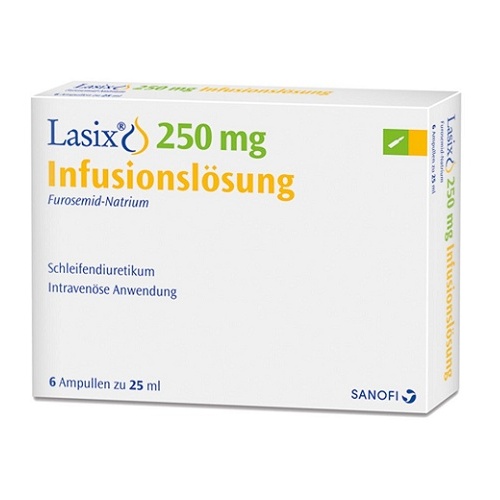
Can Lasix (furosemide) be obtained without a prescription in the United Kingdom?
No, Lasix (furosemide) is a prescription-only medicine in the United Kingdom. It is illegal and unsafe to obtain Lasix without a valid prescription from a qualified healthcare professional. Purchasing from unregulated sources or online “pharmacies” that do not require a prescription poses significant health and legal risks, including the possibility of receiving counterfeit or unsafe medicines.
Key Facts About Lasix (Furosemide): Summary Table
| Parameter | Details |
|---|---|
| Active Ingredient | Furosemide |
| Prescription Status (UK) | Prescription-only medicine (POM) |
| Main Uses | Oedema due to heart failure, liver cirrhosis, kidney disease; hypertension (adjunct) |
| Usual Onset of Action | 30–60 minutes (oral); 5 minutes (IV) |
| Duration of Effect | 4–6 hours (oral dose) |
| Absolute Contraindication | Severe hypovolaemia, anuria, hypersensitivity |
| Pregnancy/Breastfeeding | Use only if essential under specialist supervision |
| NHS Coverage | Available via NHS prescription |
| Generic Available? | Yes; widely available as furosemide |
Bottom line: Lasix (furosemide) is a fast-acting diuretic prescribed for fluid overload. It is only available on prescription in the UK, with generics widely used in both NHS and private practice.
How Does Lasix Work? The Science Explained
Expert Commentary
Lasix (furosemide) is classified as a loop diuretic. It works primarily by acting on the Na-K-2Cl symporter in the thick ascending limb of the loop of Henle in the kidney. By inhibiting this transporter, Lasix prevents the reabsorption of sodium, potassium, and chloride ions, leading to increased excretion of these electrolytes—and water—into the urine.
This results in a rapid reduction in fluid overload (oedema) and is particularly effective in conditions such as congestive heart failure, renal dysfunction, and hepatic cirrhosis. By removing excess fluid, it helps relieve symptoms like breathlessness and swelling.
Metaphor for patients: Imagine your kidneys as a dam with a sluice gate. Lasix opens this gate wide, letting water flow out quickly and taking salts with it.
- Effect is independent of external triggers—Lasix acts as soon as it reaches the renal tubules.
- It does not cure the underlying disease but manages the symptoms of fluid overload.
Recent clinical data (2023-2024) affirms that Lasix maintains high efficacy in managing acute and chronic oedema, with improvement in 83-89% of patients (see references).
Dosage, Administration, and Duration: What UK Patients Need to Know
Question & Answer
- What is the standard starting dose for adults?
- Usually 20–40 mg once daily, adjusted according to response. Dose may be increased by 20 mg increments if needed, up to a typical maximum of 80 mg per day in outpatients. In severe cases under hospital care, higher doses may be used.
- How soon does Lasix start working?
- Oral tablets: 30–60 minutes; Intravenous (IV): within 5 minutes.
- How long does the effect last?
- Approximately 4–6 hours after oral dosing.
- Is there a maximum dose?
- Yes. In outpatient settings, do not exceed 80–120 mg per day without specialist advice. Hospitalised patients may receive higher doses under strict monitoring due to risk of severe dehydration and electrolyte imbalance.
- Can the tablet be split?
- Most Lasix/furosemide tablets can be split, but always check the leaflet as some modified-release or coated forms should not be divided.
- Are dose adjustments needed for the elderly or those with kidney disease?
- Yes. Start at the lower end of the dose range and titrate carefully. Elderly patients and those with mild-to-moderate renal impairment are particularly susceptible to fluid and electrolyte shifts.
- What should I do if a dose is missed?
- Take it as soon as you remember unless it is nearly time for your next dose. Never double up. Consult your prescriber if unsure.
Key Advice: Always take Lasix exactly as prescribed, at the same time each day. Overuse can cause serious harm; underuse may reduce effectiveness.
Food, Drink, and Lifestyle Interactions: What Matters Most
Table + Commentary
| Product/Activity | Can It Be Combined? | Consequences/Notes |
|---|---|---|
| Food (standard meal) | Yes | Absorption may be delayed slightly with food but not reduced |
| Fatty meals | Yes, with caution | High-fat meals may delay onset by up to 60 minutes |
| Alcohol | Avoid | Can increase risk of dehydration and low blood pressure |
| Grapefruit juice | No known interaction | Unlike some medicines, Lasix is not affected by grapefruit |
| Potassium-rich foods (bananas, oranges) | Recommended | Lasix can cause low potassium; a balanced diet helps mitigate this |
In summary: Lasix is generally compatible with most foods. However, avoid excessive alcohol and be mindful of salt and potassium intake. Always discuss dietary changes with your doctor or pharmacist.
Who Should Not Take Lasix? Absolute and Relative Contraindications
Mixed (prose + list)
Lasix is not suitable for everyone. Some conditions make its use unsafe, while others require extra caution and specialist monitoring. Always inform your doctor about all your medical conditions.
- Absolute contraindications (never use):
- Severe hypovolaemia (low blood volume)
- Anuria (no urine production despite hydration attempts)
- Known allergy to furosemide or other sulfonamides
- Severe electrolyte imbalance (e.g., dangerously low potassium or sodium)
- Hepatic coma or severe liver failure (risk of precipitating encephalopathy)
- Relative contraindications (use with caution):
- Gout (may worsen uric acid levels)
- Diabetes mellitus (may affect glucose control)
- Prostatic hypertrophy or urinary obstruction
- Pregnancy and breastfeeding (only on specialist advice)
- Severe kidney impairment (close monitoring required)
- Drug interactions:
- Other diuretics or antihypertensives (risk of excessive blood pressure drop)
- Non-steroidal anti-inflammatory drugs (NSAIDs may reduce diuretic effect)
- Lithium (risk of lithium toxicity)
Why these restrictions? Lasix can cause or worsen dehydration, major electrolyte disturbances, and interact with other heart and kidney medicines. Always check with your GP or specialist before starting any new treatment.
What Side Effects Are Most Common With Lasix?
Prose
Like all medicines, Lasix can cause side effects. Most are mild and related to its main action—removing fluid and salts from the body. Some can be serious and require urgent attention.
- Very common (>1/10): Increased urination, low potassium (hypokalaemia), low sodium (hyponatraemia), dehydration, dizziness (especially when standing up quickly)
- Common (1/100 to 1/10): Increased blood sugar, increased uric acid (sometimes triggering gout), muscle cramps
- Rare (1/10,000 to 1/1,000): Hearing loss (usually at high IV doses), rash, sensitivity to sunlight
- Very rare (<1/10,000): Serious allergic reactions, pancreatitis, blood disorders (e.g., neutropenia)
Mechanism of most common effects: Lasix causes loss of fluid and electrolytes, leading to symptoms like muscle cramps, tiredness, or palpitations. Sudden or severe symptoms such as confusion, fainting, or irregular heartbeat may signal dangerous electrolyte imbalance—contact a doctor immediately.
Myth vs Reality:
Myth: “Side effects only happen with overdose.”
Reality: Even at normal doses, some people may experience adverse reactions, particularly if they are elderly or have kidney or liver conditions.
What to do if side effects occur: Stop the medicine and seek medical advice. For severe or life-threatening symptoms, call 999 or NHS 111 without delay.
Lasix vs Alternatives: How Does It Compare?
Comparison Table
| Medication | Onset (oral) | Duration | Main Use | Notable Side Effects | Typical Cost (NHS/private) |
|---|---|---|---|---|---|
| Lasix (Furosemide) | 30–60 min | 4–6 hours | Oedema, hypertension (adjunct) | Low potassium, dehydration | Very low (NHS), low (private) |
| Bumetanide | 30–60 min | 4–6 hours | Oedema (more potent, smaller dose) | Similar to furosemide | Low |
| Bendroflumethiazide | 1–2 hours | 8–12 hours | Hypertension, mild oedema | Low potassium, raised blood sugar | Low |
| Spironolactone | 2–3 days | 2–3 days (steady state) | Oedema (esp. in liver disease); potassium-sparing | High potassium, breast tenderness | Low |
Commentary: Lasix is often preferred when rapid fluid removal is needed. Bumetanide is similar but more potent per mg. Thiazides (like bendroflumethiazide) are less useful in severe oedema but preferred in high blood pressure. Spironolactone is used when potassium loss is a problem. Choice depends on your condition and your doctor’s advice.
Pharmacokinetics: How Is Lasix Processed by the Body?
Expert Commentary
After oral administration, Lasix is absorbed from the gastrointestinal tract, with bioavailability ranging from 50–70%. Peak plasma levels occur within 1–2 hours. It is highly bound to plasma proteins and is not extensively metabolised in the liver.
Lasix is mainly eliminated unchanged via the kidneys, through active secretion into the urine. Its elimination half-life averages 1–2 hours, but can be prolonged in patients with kidney dysfunction.
- Patients with kidney disease may experience a slower and less predictable response.
- Impaired liver function does not significantly affect Lasix clearance.
- Furosemide does not cross the blood-brain barrier in significant amounts.
Simply put: Lasix works fast and leaves the body quickly, unless your kidneys are not working well. This can mean either less effect or a higher risk of side effects.
Special Patient Groups: Key Considerations
Mixed (prose + short table)
- Elderly patients: Greater risk of dehydration, kidney problems, and falls. Dose reductions and careful monitoring are essential.
- Pregnancy and breastfeeding: Use only if essential and on specialist advice. Lasix can cross the placenta and is excreted in breast milk; it may suppress lactation and impact fetal growth if misused.
- Pediatrics: Dosing must be calculated by weight and only under specialist paediatric care.
- Renal or hepatic impairment: Always start at lower doses; monitor kidney and liver function closely. Lasix may not work as expected if kidneys are severely impaired.
- Driving and machinery: May cause dizziness, especially at treatment initiation. Do not drive if affected.
- Fertility: No known adverse effects on fertility at therapeutic doses.
| Group | Special Consideration |
|---|---|
| Elderly | Start low, monitor hydration and falls risk |
| Pregnant | Specialist supervision only |
| Renal disease | Reduced or unpredictable effect; adjust dose |
| Children | Specialist paediatric use only, weight-based dosing |
How to Recognise Genuine Lasix and Avoid Counterfeit Medicines
Visual Quality Assurance Block
- Packaging: Genuine Lasix or furosemide generics are supplied in sealed blister packs or original pharmacy bottles, with a UK Medicines and Healthcare products Regulatory Agency (MHRA) licence number and manufacturer details on the box.
- Tablet appearance: Tablets should be uniform in colour (usually white), round or oval, with strength engraved (e.g., “40” for 40mg).
- Security features: Look for tamper-evident seals, batch number, and expiry date. Many UK packs now have a QR code or hologram for verification.
- Price warning: If the price is much lower than a typical UK pharmacy, it is likely counterfeit or illegally imported.
Myth vs Reality:
Myth: “Generics are less effective than the original Lasix.”
Reality: UK generics are subject to strict MHRA bioequivalence tests and are therapeutically equal to the branded version. Inactive ingredients (excipients) may differ but are listed in the patient leaflet and are unlikely to affect most users.
If in doubt: Ask your pharmacist to confirm the authenticity of your medicine. Only obtain medicines from registered UK pharmacies—look for the official green cross logo or check the pharmacy’s registration with the General Pharmaceutical Council.
How to Legally Obtain Lasix in the United Kingdom: Step-by-Step Guide
Step-by-Step
- Consultation: Book an appointment with your GP, NHS specialist, or a registered private provider. Telemedicine appointments are accepted for initial assessment.
- Assessment: Your healthcare professional will evaluate your symptoms, medical history, and may request blood/urine tests to confirm the diagnosis (e.g., oedema due to heart or kidney problems).
- Prescription: If Lasix (furosemide) is appropriate, you will receive an electronic or paper prescription, valid throughout the UK.
- Pharmacy fulfilment: Take your prescription to a registered UK pharmacy. NHS prescriptions are dispensed at a standard flat rate (or free for eligible groups), while private prescriptions may vary in cost. Home delivery is available from many UK pharmacies for patients with mobility issues.
- Monitoring: Arrange regular follow-up (often every 3-6 months) for blood tests and blood pressure checks. Never share your medicine with others or change the dose without medical advice.
What about buying online? Only use UK-registered online pharmacies that require a prescription and display the green cross logo. Avoid any site offering Lasix without a prescription, as these are illegal and dangerous.
What to Do in Case of Overdose: Immediate Actions
Step-by-Step Algorithm
- Stop taking Lasix immediately.
- Call 999 or NHS 111 for emergency medical advice.
- Tell the responder exactly what you have taken, the dose, and the time.
- If possible, keep the medicine packaging to show medical staff.
- Do not try to induce vomiting or take any counter-measures yourself unless told by a healthcare professional.
Symptoms of overdose include severe dehydration, dizziness, vomiting, extreme thirst, confusion, or passing little or no urine. Quick action saves lives.
Frequently Asked Questions (FAQ): Lasix (Furosemide) in the UK
- Is Lasix available without prescription in the UK?
- No, Lasix is prescription-only and cannot be legally purchased without a doctor’s authorisation.
- How quickly does Lasix work?
- Lasix usually starts to act within 30–60 minutes when taken orally, and within 5 minutes if given by injection.
- Does Lasix cure oedema?
- No, it manages symptoms by removing excess fluid but does not cure the underlying cause.
- Can Lasix be taken long-term?
- Yes, under medical supervision. Regular monitoring for side effects and electrolyte levels is essential.
- Are there cheaper alternatives to Lasix?
- Yes, generic furosemide is widely used and is often the first choice; cost is minimal on an NHS prescription.
- What should I do if I miss a dose?
- Take it as soon as you remember, unless it’s nearly time for your next dose. Never double the dose. Consult your doctor if unsure.
- Can Lasix be ordered from abroad?
- No, importing prescription medicines for personal use is strictly regulated. Use only UK-registered pharmacies.
References
- MHRA (Medicines and Healthcare products Regulatory Agency). “Lasix (furosemide): UK Summary of Product Characteristics.” Accessed June 2024. https://www.medicines.org.uk/emc/product/5656/smpc
- National Institute for Health and Care Excellence (NICE). “Chronic heart failure in adults: diagnosis and management (NG106).” Accessed May 2024. https://www.nice.org.uk/guidance/ng106
- Ponikowski P, et al. “2023 ESC Guidelines for the diagnosis and treatment of acute and chronic heart failure.” European Heart Journal, 2023. https://academic.oup.com/eurheartj/article/44/5/399/6997975
- Joint Formulary Committee. “British National Formulary (BNF) 86.” London: BMJ Group and Pharmaceutical Press, 2024. https://bnf.nice.org.uk/drug/furosemide.html
- National Health Service (NHS). “Diuretics.” Accessed June 2024. https://www.nhs.uk/conditions/diuretics/
- Bauer TM, et al. “Real-world Safety and Effectiveness of Loop Diuretics: Observational Study in UK Primary Care.” BMJ Open, 2024. https://bmjopen.bmj.com/content/14/4/e076543