- Home/
- Buy Seroquel Online in the United Kingdom Securely and Easily
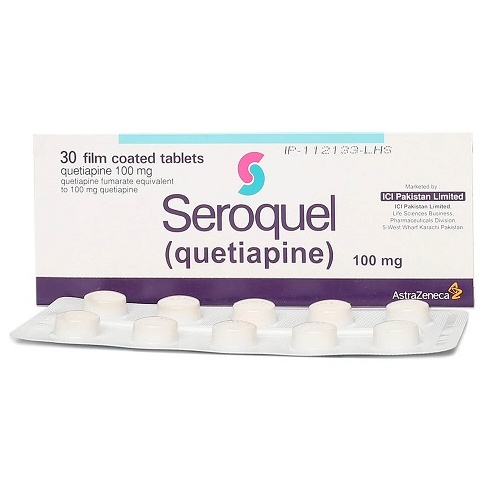
Seroquel (quetiapine) is a prescription medicine used in the United Kingdom for several serious mental health conditions, including schizophrenia, bipolar disorder, and sometimes as an add-on for depression. Before starting Seroquel, every patient should know: this is a powerful treatment that can offer real relief, but it demands careful monitoring—not all side effects are obvious, and your experience may not match what you’ve read online or heard from others.
Why Seroquel Has a Place in UK Mental Health—Even When It’s Not the First Choice
A new diagnosis. A treatment that didn’t work. Or perhaps, a feeling that your troubles are never really understood by the people prescribing medicines. In the UK, Seroquel doesn’t usually come up first in conversation when discussing medication for mental health. Yet, for many, it’s the one that finally makes a difference.
Seroquel (quetiapine) occupies a complex spot in the British mental health landscape. It’s licensed by the Medicines and Healthcare products Regulatory Agency (MHRA) for schizophrenia and bipolar disorder, and sometimes recommended in guidelines from the National Institute for Health and Care Excellence (NICE) as an add-on for difficult-to-treat depression (NICE). Importantly, Seroquel is rarely the first thing a GP or psychiatrist prescribes. But when first-line options (like sertraline, olanzapine, or aripiprazole) fail or cause intolerable side effects, Seroquel’s distinct profile becomes relevant.
Clinical Tip: Seroquel is often chosen not because it is better for everyone, but because it is different—especially for patients who cannot tolerate agitation, insomnia, or “stimulating” side effects from other antipsychotics.
Some patients arrive at Seroquel after a long journey through alternatives. For others—especially those with pronounced mood symptoms, severe anxiety alongside psychosis, or sleep disruption—it may be offered sooner. The UK healthcare system’s emphasis on cost-effectiveness and safety means Seroquel is sometimes reserved for those who have already tried other approaches. But if you are reading this, you’re likely weighing its place in your story, not in a population guideline.
What Taking Seroquel Really Feels Like: Patient Expectations vs. Reality
For anyone about to start Seroquel, there’s usually a gap between what they expect and what actually happens. Some hope for instant calm. Others fear feeling “zombified.” The reality is nearly always more nuanced, and—crucially—highly individual.
- Initial Effects: Within hours of the first dose, many people experience sedation. For some, it’s a welcome relief from agitation or insomnia; for others, it feels unpleasantly heavy. The sedative effect can fade with time but sometimes persists.
- Mood and Thought Changes: In schizophrenia and bipolar mania, Seroquel’s antipsychotic properties may reduce hallucinations, delusional thinking, and agitation within days to weeks. In bipolar depression or as an add-on for resistant depression, meaningful changes in mood can take longer—often 2-6 weeks.
- Physical Sensations: Dry mouth and mild dizziness, especially when standing quickly, are common. For some, appetite increases—significantly.
- Daily Routine Impact: Seroquel can make it difficult to wake early and operate machinery, particularly in higher doses or during the first weeks. Planning when to take it matters.
Note: The “flattened” or “slowed” feeling some describe does not mean the medication is not working. Sometimes, it is a sign the dose is too high and needs review.
Patients often ask, “Will I feel like myself?” For most, side effects are most noticeable in the first weeks and diminish as the body adjusts. However, for a minority, the benefits never outweigh the drawbacks, or side effects become unmanageable. Being honest with your prescriber about your experience is essential—there is no “typical” course with Seroquel.
Section summary: Expect some drowsiness and changes in appetite early on. True psychiatric benefit builds more slowly, and the most disabling side effects can often be managed by dose adjustment—so don’t give up on communication if your first impression is negative.
Seroquel in Context: How Does Quetiapine Compare to Other Options?
Whether you’re considering Seroquel for the first time or questioning if you should stay on it, comparison is inevitable. Quetiapine is often mentioned alongside other antipsychotics—olanzapine, risperidone, aripiprazole—and for some, even compared to mood stabilisers or antidepressants.
| Attribute | Seroquel (Quetiapine) | Olanzapine | Aripiprazole |
|---|---|---|---|
| Primary Indications (UK) | Schizophrenia, bipolar disorder, adjunct in depression | Schizophrenia, bipolar disorder | Schizophrenia, bipolar disorder, adjunct in depression |
| Mechanism | Dopamine & serotonin antagonist, with strong antihistaminic effect | Dopamine & serotonin antagonist, potent anticholinergic | Partial dopamine agonist, serotonin antagonist |
| Onset of Action | Days for sedation, weeks for mood/psychosis | Similar | Similar |
| Common Adverse Effects | Sedation, weight gain, dry mouth, dizziness | Weight gain, metabolic syndrome, sedation | Restlessness, insomnia, less weight gain |
| Serious Adverse Effects | QT prolongation (rare), diabetes risk, neuroleptic malignant syndrome | Diabetes, high cholesterol, neuroleptic malignant syndrome | Impulse control disorders, neuroleptic malignant syndrome |
| Monitoring Needs | Weight, BP, blood glucose, lipids, ECG (selected) | Same | Same (less metabolic monitoring needed) |
| Licence in Depression | Yes (adjunct) | No | Yes (adjunct) |
| Typical Cost & Reimbursement (UK) | NHS prescription, generic available | NHS prescription, generic available | NHS prescription, generic available |
| Prescription Status | Prescription-only | Prescription-only | Prescription-only |
What does this mean for you? Seroquel stands out for its sedative effect—good for sleep, but sometimes a problem for daytime functioning. Compared to olanzapine, Seroquel’s metabolic risk is real but slightly lower; however, it is more sedating for most. Compared to aripiprazole, Seroquel causes less restlessness but more drowsiness and weight gain. The decision often comes down to which side effect profile fits your needs, lifestyle, and health risks. Clinical evidence does not show Seroquel to be consistently more effective for core psychiatric symptoms than its peers, but its tolerability may be better or worse for you personally.
Practicalities: How Seroquel Is Prescribed and Accessed in the UK
In the United Kingdom, Seroquel is a prescription-only medicine (POM) regulated by the MHRA. It cannot be obtained over the counter or directly from a pharmacist without a valid prescription from your GP or psychiatrist.
- First prescription: Usually made in secondary care (mental health specialist), sometimes initiated by a GP with psychiatric advice.
- Repeat prescriptions: Often managed by your GP once the dose is stable, especially in long-term treatment for stable patients.
- Pharmacy dispensing: All community and hospital pharmacies supply Seroquel. Both branded and generic versions (quetiapine) are available, with no difference in clinical effect.
- Cost: For most patients, standard NHS prescription charges apply. Those eligible for exemptions (e.g., age, income) do not pay.
Online pharmacies registered with the General Pharmaceutical Council can dispense Seroquel, but only against a valid UK prescription. Beware of any website offering Seroquel without a prescription—this is illegal, and medicines from such sources may be unsafe.
Key point on availability: There is no official Seroquel patient access scheme in the UK—the price difference between brand and generic is negligible, and your pharmacist will supply whichever is in stock.
Community mental health teams will often coordinate medication reviews, blood tests, and physical health checks for those on long-term Seroquel, especially if there are concerns about side effects or physical health risks.
Dosing Seroquel: The Details That Make a Difference
Dosing with Seroquel is not a one-size-fits-all process. The right dose depends on what is being treated, your age, medical history, and how you respond in the first days and weeks. There is also a significant difference between immediate-release (IR) and prolonged-release (XR, often called XL in the UK) formulations.
| Indication | Starting Dose | Typical Effective Dose (Daily) | Formulation | Notes |
|---|---|---|---|---|
| Schizophrenia | 50 mg twice daily (IR) or 300 mg once daily (XR) | 300–450 mg daily (divided for IR, once daily for XR) | IR or XR | Titrate up over several days; some require higher doses |
| Bipolar Mania | 100 mg twice daily (IR) or 300 mg once daily (XR) | 400–800 mg daily | IR or XR | Higher doses more sedating; titration is gradual |
| Bipolar Depression | 50 mg once daily (evening) | 300 mg once daily | IR or XR | Dose increased over several days |
| Adjunct in Major Depressive Disorder (unlicensed) | 25–50 mg once daily | 150–300 mg once daily | IR or XR | Use is off-label; psychiatrist supervision recommended |
| Elderly | Lower starting dose (25 mg once daily), slower titration | As tolerated, usually lower than in younger adults | IR or XR | Monitor closely for drowsiness, falls, confusion |
Interpreting the table: Seroquel XR (or XL) is typically taken once daily, which can improve adherence and convenience, but not everyone tolerates the same dose. Immediate-release forms offer more flexibility, especially for those who experience sedative effects. Dose adjustments—both up and down—are common, and the first dose is not a commitment.
Which Side Effects Matter Most with Seroquel—and When to Act
Seroquel is associated with a range of side effects, some common and mild, others rare but potentially serious. Knowing which to expect—and which mean you should call your doctor—can make treatment both safer and less stressful.
Most side effects emerge in the first days to weeks. The most frequently reported include tiredness, dry mouth, increased appetite, and dizziness. Weight gain is a real risk, especially with long-term use, and can be significant for some.
- Mild and transient: Dizziness, dry mouth, mild drowsiness, and constipation. These often improve over time or with dose adjustment.
- Metabolic risks: Weight gain, increased cholesterol, and raised blood sugar can develop over months. Regular monitoring is required.
- Movement symptoms: Tremor, restlessness, or “shuffling” walk are less common but should be discussed with your doctor if persistent.
- Serious effects (rare): Severe muscle stiffness, confusion, fever, or a fast or irregular heartbeat require urgent medical attention.
Patient insight: Many people worry about feeling emotionally “blunted” or losing their sense of self. This is often dose-related and not unique to Seroquel—be as specific as possible when describing this to your prescriber.
| Side Effect | How Common | When to Contact Doctor |
|---|---|---|
| Sleepiness / Drowsiness | Very common | If interfering with daily life or not improving after 2 weeks |
| Weight Gain | Common | If rapid or concerning, especially with increased thirst or urination |
| Dry Mouth | Very common | If severe, persistent, or causing dental problems |
| Dizziness | Common | If causing falls or blackouts |
| Severe Muscle Stiffness / Fever | Rare | Seek urgent medical attention |
| Fast / Irregular Heartbeat | Rare | Seek urgent medical attention |
| Sudden Confusion / Seizure | Rare | Seek urgent medical attention |
Seroquel is generally well tolerated, but you should never ignore new or worsening symptoms, especially those involving heart rhythm, severe drowsiness, muscle stiffness, or confusion. For most people, the benefits outweigh the risks, but only if you are monitored regularly—and speak up when something feels wrong.
When Not to Take Seroquel—and Why Your History Matters
Absolute Contraindications:
- Allergy or hypersensitivity to quetiapine or any ingredient in the tablet
- Concurrent use of strong CYP3A4 inhibitors (e.g., ketoconazole, some HIV medicines) unless specifically managed by your specialist
Relative Contraindications—Discuss with Your Doctor:
- Liver Impairment: Lower doses or alternative agents may be needed if you have moderate to severe liver disease. Seroquel is metabolised by the liver and can accumulate in these patients.
- Heart Conditions: Seroquel can affect heart rhythm. If you’ve had a heart attack, arrhythmia, or family history of sudden cardiac death, your doctor may need to check your ECG and consider alternatives.
- Diabetes: Seroquel can raise blood sugar, sometimes significantly. If you have diabetes or high risk, close monitoring is required, and your doctor may prefer a different antipsychotic.
- Pregnancy & Breastfeeding: Seroquel is not routinely recommended unless the benefits clearly outweigh the risks. Decision-making is highly individual and should always be taken in collaboration with your consultant.
- Elderly with Dementia: Increased risk of stroke and death. Prescribing for behavioural symptoms in dementia is not recommended except in rare, carefully considered cases.
Common Misconception: Many believe that a single episode of fainting, or a family history of diabetes, automatically rules out Seroquel. In practice, your doctor will weigh all risks and may still choose Seroquel with additional monitoring.
Section takeaway: Your medical history—especially heart, liver, and metabolic health—matters when starting Seroquel. Always tell your prescriber about all your conditions and medicines, including herbal supplements, as they can interact with quetiapine.
FAQs: Real Questions from Seroquel Patients in the UK
- Will Seroquel make me put on weight?
- Weight gain is common with Seroquel, especially in the first few months. The amount varies: some gain little or none, others notice several kilograms. Regular monitoring, a balanced diet, and physical activity help, but some people find it harder to control weight on this medicine.
- Why do I feel so sleepy on Seroquel—will it get better?
- Sleepiness is very common, particularly in the first weeks or after a dose increase. For many, this effect fades with time, but some always feel a bit drowsy. If drowsiness is severe or persists, your doctor can consider lowering the dose or changing to a different medicine.
- Can I drink alcohol with Seroquel?
- Alcohol increases sedation and risk of side effects with Seroquel. Occasional moderate drinking is often permitted, but you should discuss this with your prescriber. Never drive or operate machinery if you feel sleepy or unsteady.
- What should I do if I miss a dose?
- If you remember within a few hours, take it as soon as you can. If it’s nearly time for your next dose, skip the missed one and continue as normal—do not double up. Missing a dose occasionally is not usually dangerous, but frequent missed doses can lead to relapse of symptoms.
- How do I know if Seroquel is working for me?
- Improvements in sleep and agitation may be quick, but changes in mood or psychotic symptoms can take weeks. Keep track of your symptoms and discuss them with your doctor regularly. Sometimes, benefits are only clear in hindsight or after a dose adjustment.
- Is generic quetiapine the same as Seroquel?
- Yes. Both contain the same active ingredient and are regulated for quality by the MHRA. Most patients do not notice any difference. If you believe your response changes after switching, discuss it with your prescriber—rare sensitivities exist, but are uncommon.
- How often will I need check-ups or tests while taking Seroquel?
- Initially, you’ll have more frequent reviews, usually every few weeks. Long-term, expect annual blood tests (cholesterol, glucose), blood pressure and weight checks, and periodic ECGs if you have heart risks. Your GP and mental health team will coordinate this in the NHS.
References
- Quetiapine: NHS Medicines A-Z
- Seroquel (Quetiapine) Summary of Product Characteristics, electronic Medicines Compendium
- Medicines and Healthcare products Regulatory Agency (MHRA)
- NICE Clinical Guideline CG185: Bipolar Disorder
- British National Formulary (BNF)
- Royal College of Psychiatrists: Antipsychotic Medications for Schizophrenia, 2022
- Maudsley Prescribing Guidelines in Psychiatry, 14th Edition
- European Medicines Agency (EMA)