- Home/
- Buy Nolvadex at Low Price in the United Kingdom Online
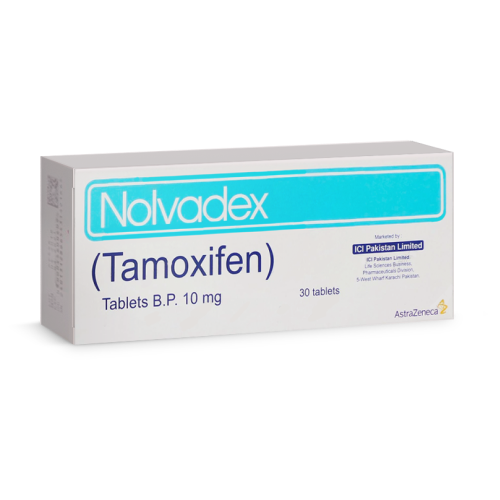
Nolvadex (tamoxifen) is a prescription medication used in the treatment of certain types of breast cancer in the United Kingdom. It works by blocking the effects of oestrogen, which can fuel cancer growth in some patients. Before starting Nolvadex, it’s essential to know how it fits into your personal treatment plan—because for many, this isn’t just another pill, but a decision that shapes daily life and long-term health.
The Nolvadex Journey: What Patients in the UK Want to Know First
You’re sitting across from your oncologist as the word ‘Nolvadex’ lands in your notes. Maybe you’ve heard of tamoxifen from a friend, or seen its name on a support group forum; perhaps this is the first time it’s entered your world. In the UK, starting Nolvadex isn’t just a medical event—it’s a turning point that touches work, family, self-image, even future plans. For many women (and some men) with oestrogen receptor-positive breast cancer, it’s a standard—almost expected—step. But few know what that actually means for life outside the clinic.
While Nolvadex has been prescribed for decades, questions persist: Does it really make a difference for someone like me? Will I feel different—today, next year, or five years from now? Is it safe? And if my cancer is early-stage, is it worth the side effects? These aren’t abstract concerns; they’re practical and deeply personal. Most articles list the mechanisms and side effects, but rarely do they capture what UK patients actually want to know before they start. That’s where this article begins.
Why Nolvadex—And Not Something Else?
Decision time comes fast. There are other pills, other strategies: anastrozole, letrozole, exemestane, and more. So why Nolvadex? For many in the UK, especially premenopausal women, it’s not just the first hormone therapy offered—it’s the one with the longest track record. Tamoxifen’s unique profile is about more than just blocking oestrogen: it allows your own body to keep producing oestrogen elsewhere, but stops it working where your cancer needs it most.
- Nolvadex is most commonly recommended for premenopausal and perimenopausal women, because aromatase inhibitors aren’t as effective before menopause.
- It’s also widely used for men with breast cancer, a group often overlooked in breast cancer guidance, but for whom tamoxifen is usually the first choice.
- The long-term data is strongest for Nolvadex: clinical guidelines from the NICE and NHS show it reduces the risk of breast cancer recurrence for at least 10 years following initial treatment.
“What most patients don’t realise,” says Dr Sarah Williams, Consultant Medical Oncologist, “is that the choice between Nolvadex and alternatives depends as much on your age and menopause status as it does on the tumour itself. We often start with Nolvadex not because it’s old, but because it fits a specific biology—and for some, it’s still the gold standard.”
There’s another reason Nolvadex is often chosen: its side effect profile is different. While aromatase inhibitors can trigger bone thinning and joint pain, Nolvadex is less likely to cause osteoporosis but may increase the risk of blood clots or uterine changes. If you have—or are at risk for—heart disease, those differences matter. The conversation isn’t just about what works, but about what works for you.
- Tamoxifen
- The active ingredient in Nolvadex; a selective oestrogen receptor modulator (SERM) that blocks oestrogen’s effects in breast tissue but may mimic oestrogen elsewhere in the body.
Living with Nolvadex: What to Expect Day by Day
For many, it’s the routine that gets disrupted. The daily pill taken for five, even ten years. Some expect immediate side effects or dramatic change; in reality, most experience little at first. This isn’t chemotherapy—there’s no hair loss, nausea, or sudden fatigue for most. Instead, subtle shifts: the odd hot flush, a disrupted night’s sleep, a tinge of worry about what tomorrow might bring.
- Hot flushes: These are common early on, often improving after the first few months. Not everyone gets them, and for some, they’re mild.
- Menstrual changes: Periods may stop, become unpredictable, or—if you’re postmenopausal already—remain unchanged.
- Sexual health: Dryness or loss of libido is possible, but not universal. Open conversations with your clinician can help manage these issues.
- Mood: Some patients report mood swings or low mood, sometimes mistaken for the emotional impact of cancer itself.
Over time, most people find a new baseline. Fatigue, if it emerges, is often manageable; headaches, if they appear, are rarely persistent. For some, symptoms are so mild they wonder if the medication is working at all. Remember, the absence of side effects is not a sign of ineffectiveness. Regular follow-up ensures you’re on track, even if nothing feels different.
Which Side Effects Matter Most with Nolvadex—And When to Act
Side effects with Nolvadex aren’t just a list—they’re a landscape. Some are expected, some are rare but serious, and a few prompt immediate action. In the UK, most patients will be told about hot flushes and vaginal symptoms, but the risk of blood clots or uterine changes is less often discussed upfront. That’s a gap worth closing.
- Hot flushes and sweating: Affect at least 1 in 10 patients. Usually self-limited, but can be bothersome.
- Vaginal discharge or dryness: Common, manageable with local treatments.
- Leg swelling, pain, or redness: Possible sign of a blood clot—a medical emergency.
- Abnormal vaginal bleeding: Can indicate endometrial changes; always report to your clinician.
- Visual changes: Rare, but sudden onset requires prompt assessment.
- Mood changes or depression: Sometimes underestimated but worth raising with your GP or oncologist.
Annual reviews in the UK often include questions about bleeding, vision, and mood, but self-advocacy matters. If you notice any changes that feel “off”, even if they’re not listed, bring them up. Most side effects are manageable, but a small number require stopping Nolvadex and switching strategy.
Safety Summary Table: When to Contact Your Doctor
| Side Effect | Frequency | When to Contact Your Doctor |
|---|---|---|
| Hot flushes | Common (up to 50%) | If severe or interfering with daily life |
| Leg pain/swelling | Rare (<2%) | Immediately – possible blood clot |
| Abnormal vaginal bleeding | Uncommon (2-5%) | Promptly – rule out endometrial changes |
| Mood changes | Occasional (5-10%) | If persistent or worsening |
| Visual changes | Rare (<1%) | Immediately – requires assessment |
| Vaginal discharge | Common (20-40%) | If new, bothersome, or blood-stained |
This table highlights not just what to expect, but which side effects cross the line from “normal” to “needs attention.” In most cases, side effects alone do not mean you should stop Nolvadex without talking to your doctor.
Nolvadex Versus Other Breast Cancer Treatments: The Real-World Differences
| Attribute | Nolvadex (Tamoxifen) |
Anastrozole | Letrozole |
|---|---|---|---|
| Primary Use | Premenopausal & some postmenopausal breast cancer | Postmenopausal breast cancer | Postmenopausal breast cancer |
| Mechanism | SERM; blocks oestrogen at the receptor | Aromatase inhibitor; reduces oestrogen production | Aromatase inhibitor; reduces oestrogen production |
| Osteoporosis risk | Lower | Higher | Higher |
| Blood clot risk | Higher | Lower | Lower |
| Hot flushes | Common | Common | Common |
| Endometrial cancer risk | Increased | No increase | No increase |
| Use in men | Yes | No | No |
| Prescription status in UK | Prescription only | Prescription only | Prescription only |
| Typical duration | 5–10 years | 5 years | 5 years |
| NHS cost/reimbursement | Fully covered on NHS | Fully covered on NHS | Fully covered on NHS |
In the real world, this comparison often shapes the conversation in UK clinics. Nolvadex stands apart for younger or premenopausal patients, and for those at risk of osteoporosis. Aromatase inhibitors are preferred after menopause or if Nolvadex side effects become limiting. The choice is rarely about “better” or “worse”—it’s about fit, long-term safety, and what your body and life circumstances demand.
Getting It Right: How to Take Nolvadex and What Happens If You Miss a Dose
The daily routine with Nolvadex is simple—on paper. Take one tablet, usually at the same time each day, with or without food. The standard adult dose for breast cancer in the UK is 20 mg daily, and for most, that never changes, regardless of age or kidney function.
| Indication | Typical Dose | Duration | Adjustment Needed? |
|---|---|---|---|
| Breast cancer (adjuvant) | 20 mg daily | 5–10 years | No routine adjustment |
| Metastatic breast cancer | 20–40 mg daily (divided doses) | As advised by oncologist | May vary—individualised |
| Male breast cancer | 20 mg daily | 5 years or longer | No routine adjustment |
If you miss a dose, don’t double up. Take it as soon as you remember, unless it’s nearly time for the next one. Consistency matters for reducing recurrence risk, but a single missed pill is rarely catastrophic. For those who travel or work shifts, pill organisers or alarms can help maintain the habit.
When Nolvadex Isn’t for You—Absolute and Relative Reasons to Pause
- You have a known allergy to tamoxifen or any ingredient in Nolvadex.
- You are pregnant or could become pregnant: Nolvadex is teratogenic and must not be used during pregnancy.
- You currently have, or have had, blood clots (deep vein thrombosis or pulmonary embolism) not related to cancer.
Some situations call for extra caution. If you have a strong family or personal history of blood clots, or if you’re taking warfarin or other anticoagulants, your oncologist will weigh the risks and may recommend extra monitoring or a different therapy. Similarly, people with a history of endometrial cancer or unexplained vaginal bleeding may need a different approach.
- Liver impairment: Severe liver disease can increase the risk of side effects; dose adjustment or an alternative may be recommended.
- Concurrent medicines: Some antidepressants (notably certain SSRIs like paroxetine and fluoxetine) can reduce tamoxifen’s effectiveness; always review your medication list with your pharmacist or clinician.
- Fertility concerns: Nolvadex can impact fertility—discuss options early if you wish to preserve fertility before or during treatment.
In the UK, absolute contraindications are rare, but relative reasons to pause—like a history of clots or significant drug interactions—require honest discussion and individual risk assessment.
Getting Nolvadex in the UK: Prescriptions, NHS, and What to Expect at the Pharmacy
In the UK, Nolvadex is prescription-only. You can’t buy it over the counter or online legally without a valid prescription from a UK-registered doctor. Most patients receive their prescription as part of an NHS treatment plan—the NHS covers the cost in nearly all cases, so you won’t pay more than the standard prescription charge (or nothing, if you’re eligible for exemption).
- Your oncologist or breast care team will prescribe Nolvadex if it’s indicated for your cancer type and stage.
- NHS prescription can usually be filled at any local pharmacy, including community and hospital pharmacies.
- Repeat prescriptions are often provided to cover several months at a time; ask about synchronising with other medicines to reduce pharmacy trips.
- Generic tamoxifen is as effective as the branded version, and both are widely available across the UK.
- Private prescriptions are rarely needed, but may affect cost if you’re treated outside the NHS system.
The NHS and Medicines and Healthcare products Regulatory Agency (MHRA) oversee safety, quality, and supply. Shortages are rare, but if they occur, your pharmacist can advise on alternatives or temporary adjustments.
Frequently Asked Questions About Nolvadex in the UK
Does Nolvadex work for all types of breast cancer?
No. Nolvadex is only effective for hormone receptor-positive breast cancer—meaning cancers that use oestrogen to grow. For triple-negative or HER2-positive cancers, other treatments are needed.
How do I know if Nolvadex is working for me?
You won’t feel Nolvadex “working” day to day. Effectiveness is monitored through regular check-ups, imaging, and blood tests. The main sign of success is reduced cancer recurrence, not a change in how you feel.
Can I drink alcohol while taking Nolvadex?
Moderate alcohol is not strictly contraindicated, but heavy drinking can strain the liver. Discuss your alcohol intake with your doctor; in general, moderation is safest.
Is Nolvadex safe during pregnancy or breastfeeding?
No. Nolvadex must not be used during pregnancy due to risk of harm to the developing baby. It’s also not recommended while breastfeeding. Use effective contraception and discuss family planning with your care team.
What if I forget to take a dose?
Take the missed dose as soon as you remember, unless it’s close to your next scheduled dose. Do not take two doses at once. Missing an occasional dose is unlikely to impact long-term effectiveness, but regular adherence is important.
How long will I need to take Nolvadex?
Most patients in the UK are prescribed Nolvadex for 5 years, but evidence supports up to 10 years in some cases. Your oncologist will recommend the duration based on your risk profile and response to treatment.
Does Nolvadex interact with other medicines?
Yes. Some antidepressants and other drugs can interfere with how Nolvadex is processed in your body. Always provide a full medication list to your doctor or pharmacist before starting Nolvadex.
If side effects become unmanageable, what are my options?
Don’t stop Nolvadex on your own. Contact your breast care team—side effects can often be managed, or your medication may be changed. Alternatives exist and can be tailored to your needs.
References & Sources
- NICE Guideline NG101: Early and Locally Advanced Breast Cancer: Diagnosis and Management, National Institute for Health and Care Excellence, 2018.
- Tamoxifen: Information for Patients, NHS.
- Nolvadex: European Public Assessment Report, European Medicines Agency.
- Nolvadex Summary of Product Characteristics, electronic Medicines Compendium.
- Tamoxifen for Breast Cancer, Cancer Research UK.
- Medicines and Healthcare products Regulatory Agency (MHRA)
- Breast Cancer Now: Tamoxifen Information
- PubMed Database