- Home/
- Buy Prednisolone Online in the United Kingdom – Fast UK Delivery
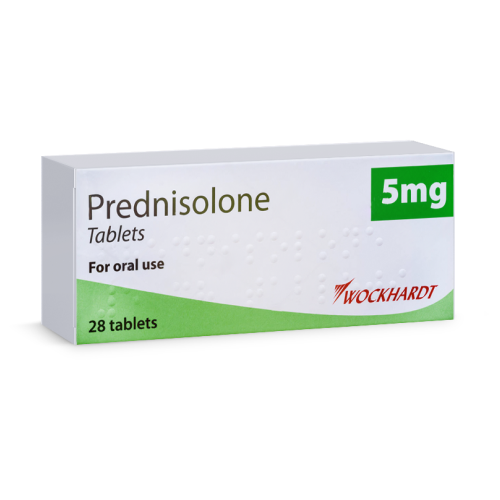
Can Prednisolone Be Obtained Without a Prescription in United Kingdom?
No, Prednisolone is a prescription-only medicine in United Kingdom. It is not legally available without a valid prescription from a registered healthcare professional. Dispensing without medical supervision is prohibited under UK law.
Key Takeaways: What You Need to Know About Prednisolone in United Kingdom
- Prednisolone is only available via NHS or private prescription in the UK.
- It is most suitable for people with moderate to severe inflammatory conditions, including asthma flare-ups, rheumatoid arthritis, and certain autoimmune diseases.
- Symptom improvement can be seen within hours to days, depending on the condition and dose, but some effects may take longer.
- The most important safety consideration is the risk of serious side effects with prolonged or high-dose use, including suppression of the immune system and bone loss.
- Patients should not stop Prednisolone suddenly without medical guidance due to potential withdrawal risks.
- Seek urgent medical advice if you experience severe side effects, infection, or unmanageable changes in mood or behaviour.
How Does Prednisolone Work? The Science Behind Its Effect on Inflammation
Prednisolone is a synthetic glucocorticoid, chemically very similar to the natural hormone cortisol produced by your adrenal glands. Its primary mechanism of action is to bind to the cytosolic glucocorticoid receptor in cells. This complex then translocates into the cell nucleus, where it modulates the transcription of inflammatory genes—either suppressing the production of pro-inflammatory cytokines (such as interleukin-1, interleukin-6, and tumour necrosis factor-alpha) or increasing anti-inflammatory protein synthesis.
In simple terms, Prednisolone “switches off” the body’s excessive immune response, reducing swelling, redness, and painful symptoms in conditions like asthma exacerbations, lupus, or severe allergies. At a biochemical level, it inhibits phospholipase A2 (limiting arachidonic acid production) and suppresses COX-2 expression, reducing prostaglandin and leukotriene synthesis—critical mediators of inflammation and immune response.
Metaphor: Imagine your immune system as a fire alarm. Prednisolone acts as a temporary override, lowering the sensitivity of the alarm so it only reacts when truly necessary, preventing your body from “overreacting” to its own tissues or external triggers.
Prednisolone works independently of external factors but its effectiveness and safety profile are influenced by dosage, treatment duration, and individual patient characteristics such as age, comorbidities, and concurrent medications.
References: See References at the end for primary literature and regulatory sources on Prednisolone’s mechanism of action.
When Patients Expect Immediate Relief: Clinical Insights into Prednisolone Use
Dr. James Whitfield, Consultant Rheumatologist: In my experience, patients often hope for instant improvements after starting Prednisolone, especially during painful flares. However, while some symptoms—like joint pain or wheezing—improve rapidly (sometimes within 12–24 hours), the full anti-inflammatory benefits may take longer, particularly with chronic conditions. Another area of misunderstanding is the risk of side effects; many underestimate long-term risks, focusing only on immediate relief. Patients rarely ask about the plan for stopping the medication safely, although withdrawal must be carefully managed to avoid adrenal insufficiency. It’s vital for patients to understand that Prednisolone does not cure the underlying disease but controls symptoms, and close follow-up is essential to balance benefits and risks over time.
Prednisolone Dosage: How to Take It Safely and Effectively
The dose of Prednisolone is highly individualised and depends on the condition, severity, age, and patient-specific factors. Always follow your doctor’s instructions.
- Standard starting dose: For adults, doses typically range from 5 mg to 60 mg per day, depending on the indication and disease severity.
- Paediatric dosing: Based on weight and condition; paediatricians will calculate precise doses (usually 0.5–2 mg/kg/day).
- Elderly and those with liver or kidney impairment: Your doctor may start at a lower dose and monitor closely for side effects.
- Maximum daily dose: Should not exceed 80 mg/day in most cases (except in short-term life-threatening situations, under specialist supervision).
- Administration: Take Prednisolone in the morning with or after food to reduce stomach irritation. Swallow tablets whole unless your doctor instructs otherwise—do not split sustained-release tablets.
- Tapering: Never stop Prednisolone suddenly if you’ve been on it for more than 2–3 weeks. The dose must be gradually reduced as advised by your doctor to prevent adrenal crisis.
Peak effects are typically seen within several hours of oral administration, but the time to clinical improvement depends on the condition treated. The duration of action ranges from 12 to 36 hours for most oral forms.
For details on available strengths and forms in UK, see the reference table below.
Does Prednisolone Interact with Food, Alcohol, or Lifestyle Factors?
- Food: Take with or after a meal to protect the stomach. Food does not significantly affect absorption for most standard tablets, but high-fat meals may slightly delay onset.
- Alcohol: Moderate alcohol intake isn’t strictly contraindicated but is not recommended, as it increases the risk of gastric irritation and bleeding. Avoid excessive drinking while on Prednisolone.
- Grapefruit juice: No significant interaction reported with Prednisolone, unlike some other corticosteroids (e.g., methylprednisolone).
- Other lifestyle factors: Smoking does not directly affect Prednisolone metabolism, but a healthy lifestyle and diet rich in calcium and vitamin D are advisable, especially for long-term users, to reduce osteoporosis risk.
Prednisolone Compatibility with Common Products
| Product Type | Can It Be Combined? | Possible Consequences |
|---|---|---|
| Paracetamol | Yes | No significant interaction |
| Ibuprofen | With caution | Increased risk of stomach ulcers/bleeding |
| Warfarin | With monitoring | May increase bleeding; INR monitoring required |
| Live vaccines | NO (if high dose) | Reduced vaccine efficacy, infection risk |
| Alcohol | Limit | Increased gastric irritation |
| Calcium/vitamin D | Yes | Recommended for bone protection |
Who Should Not Use Prednisolone? Detailed Contraindications and Red Flags
Absolute Contraindications:
- Uncontrolled systemic infections (such as fungal, bacterial or viral infections not receiving effective treatment).
- Known hypersensitivity to Prednisolone or any excipients in the formulation.
- Live vaccines should not be administered to patients receiving high-dose systemic Prednisolone (immunosuppressive doses).
Relative Contraindications (special caution required, use only under specialist supervision):
- Recent myocardial infarction (heart attack) — risk of heart muscle rupture is increased in the weeks following an acute event. Avoid unless essential.
- Active or latent peptic ulcer disease — risk of bleeding and perforation is higher.
- Uncontrolled diabetes mellitus — Prednisolone can worsen blood glucose control.
- Severe osteoporosis — increased risk of fractures, consider alternative therapies if possible.
- Unstable psychiatric illness (psychosis, severe depression) — risk of exacerbation.
- Glaucoma — may raise intraocular pressure.
- Chronic kidney or liver disease — may require dose adjustment and careful monitoring.
Interaction with specific medications: Prednisolone should be used very cautiously with NSAIDs (e.g., ibuprofen), anticoagulants (e.g., warfarin), some anticonvulsants, and certain antifungals or antibiotics that affect liver enzymes.
After a heart attack or severe infection, Prednisolone may only be started after the acute phase, under close specialist monitoring.
What Side Effects Are Most Common with Prednisolone?
Side effects from Prednisolone can range from mild to life-threatening, especially at high doses or with long-term use.
- Very common (>1 in 10 people): Increased appetite, weight gain, insomnia, mood changes (euphoria, depression, anxiety), indigestion, facial rounding (“moon face”).
- Common: Fluid retention, elevated blood pressure, muscle weakness, delayed wound healing, increased susceptibility to infection, skin thinning, easy bruising, menstrual changes.
- Uncommon/Rare: Glaucoma, cataracts, stomach bleeding or ulcers, pancreatitis, osteoporosis, diabetes mellitus, confusion or psychosis, growth suppression in children.
- Very rare: Severe allergic reaction (anaphylaxis), tendon rupture, avascular necrosis of bone, Cushing’s syndrome, adrenal crisis if stopped abruptly.
Mechanisms: Many side effects are due to the hormone-like action of Prednisolone, such as raising blood sugar, suppressing immune response, or affecting bone metabolism.
If you develop severe side effects (such as shortness of breath, chest pain, confusion, signs of infection or severe mood changes), contact your doctor or seek emergency care immediately.
Frequent Mistakes Patients Make with Prednisolone—and How to Avoid Them
- Stopping Prednisolone suddenly after more than 2–3 weeks of use. This can cause adrenal insufficiency, which is potentially life-threatening. Always follow your doctor’s tapering plan.
- Taking doses at irregular times or missing doses. Inconsistent dosing can reduce effectiveness and increase side effect risk. Use reminders or a pill organiser.
- Ignoring early signs of infection. Prednisolone suppresses the immune system, so prompt reporting of fever, sore throat, or unusual symptoms is vital.
- Not informing other healthcare providers about Prednisolone use. Always mention it before surgery, vaccinations, or when prescribed new medicines.
- Self-adjusting the dose based on symptoms. Increasing or decreasing your dose without medical advice can be dangerous. Contact your doctor if you feel your symptoms are not controlled.
- Neglecting recommended bone protection measures (calcium, vitamin D, exercise), especially during long-term therapy.
Prednisolone vs Alternatives: How Does It Compare?
| Drug Name | Typical Indications | Onset of Action | Duration | Common Side Effects | Cost per Tablet (GBP) |
|---|---|---|---|---|---|
| Prednisolone | Inflammatory and autoimmune conditions, asthma, allergies | 6–24 hours (oral) | 12–36 hours | Weight gain, mood changes, immunosuppression | £0.10–£0.50 (generic) |
| Hydrocortisone | Adrenal insufficiency, mild inflammatory conditions | 2–6 hours | 8–12 hours | Electrolyte imbalance, similar to Prednisolone but milder at equivalent doses | £0.15–£0.80 |
| Methylprednisolone | Severe inflammation, immunosuppression (esp. in hospital) | 1–4 hours (IV), 2–6 hours (oral) | 18–36 hours | Similar to Prednisolone, possibly stronger immunosuppression | £0.20–£1.00 |
| Dexamethasone | Cerebral oedema, severe allergies, certain cancers | 1–2 hours (oral/IV) | 36–72 hours | Insomnia, stronger long-term side effects | £0.10–£0.60 |
Note: Costs are approximate NHS prices as of 2026 and may vary by region and formulation.
Prednisolone is usually preferred for outpatient use due to its balance of efficacy, duration, and cost, but the choice may vary based on individual circumstances and consultant advice.
Technical Details and Formulations of Prednisolone Available in United Kingdom
| Parameter | Value |
|---|---|
| Available strengths | 1 mg, 2.5 mg, 5 mg, 10 mg, 20 mg, 25 mg (tablets/liquid) |
| Formulations | Tablets, oral solution, dissolvable tablets, rectal suppositories (specialist use), eye drops |
| Pharmacokinetics | Absorbed in GI tract; peak plasma in 1–2 hours (oral); half-life ~2–4 hours; effects last 12–36 hours |
| Metabolism | Liver (CYP3A4 pathway) |
| Elimination | Primarily via urine |
| Storage | Below 25°C, protect from moisture |
Pharmacokinetics: How is Prednisolone Processed in the Body?
After oral administration, Prednisolone is well absorbed from the gastrointestinal tract, with peak blood plasma concentrations reached in 1–2 hours. Its bioavailability is high (about 80–100%). It is extensively metabolised in the liver via the CYP3A4 enzyme system, producing inactive metabolites. The elimination half-life is typically 2–4 hours, but the biological effects (immunosuppression, anti-inflammatory action) last much longer—up to 36 hours in some cases. Most metabolites are excreted in the urine.
This pharmacokinetic profile means that people with liver disease may experience prolonged effects and require careful dose adjustment. The relatively short half-life allows for flexible dosing regimens but also means consistent dosing is vital to maintain therapeutic benefits.
Myth vs Reality: Does Prednisolone Cure the Underlying Disease?
Myth: Prednisolone cures conditions like asthma, rheumatoid arthritis, or lupus.
Reality: Prednisolone effectively controls inflammation and suppresses symptoms but does not address the root cause. Underlying conditions usually persist, and long-term management often requires additional therapies or lifestyle changes.
Prednisolone for Special Patient Groups: What You Need to Know
- Children and Adolescents: Prednisolone may stunt growth with prolonged use; only use under specialist supervision.
- Elderly: Increased risk of osteoporosis, diabetes, and muscle weakness; lower starting doses and close monitoring are recommended.
- Liver or Kidney Disease: Dose adjustments may be necessary; regular monitoring is essential.
- Pregnancy: Use only if benefits outweigh risks; discuss with your obstetrician. Some risk of cleft palate in first trimester (rare, but discussed in guidelines).
- Breastfeeding: Small amounts may be excreted in breast milk; short courses are generally considered safe, but inform your healthcare provider.
- Fertility and Family Planning: No evidence that Prednisolone directly affects fertility, but underlying conditions and high doses may influence reproductive health.
- Driving and Machinery: Unlikely to impair ability, but high doses or psychiatric side effects (such as agitation or confusion) can make driving unsafe. Assess your own reaction before operating vehicles or machinery.
How to Obtain Prednisolone Legally in United Kingdom: Step-by-Step Guide
- Step 1: Book a Consultation
Arrange an appointment with your GP (NHS or private) or an appropriate specialist (e.g., rheumatologist, pulmonologist, dermatologist) depending on your symptoms. - Step 2: Undergo Medical Assessment
Your doctor will assess your condition, review your medical history, and may order diagnostic tests to determine if Prednisolone is appropriate. - Step 3: Prescription Issuance
If indicated, your doctor will issue a prescription (paper or electronic) valid at any regulated pharmacy in the UK. - Step 4: Pharmacy Fulfilment
Present your prescription at a local or accredited online pharmacy. Pharmacists may ask further safety questions before dispensing the medicine. - Step 5: Follow-Up and Monitoring
Attend all scheduled follow-ups to monitor for side effects and adjust dosing as needed. - Telemedicine: Some conditions may be managed through NHS or registered private online services, but a valid prescription is still required and must be dispensed by a regulated pharmacy.
How to Identify a Legitimate Online Pharmacy in United Kingdom and Avoid Unsafe Sellers
When using online services, always check for the following verification features:
- Registration with the General Pharmaceutical Council (GPhC) — look for the GPhC logo and registration number, which can be checked at www.pharmacyregulation.org.
- Presence on the MHRA’s list of approved UK online sellers (Official Register).
- Clear display of the EU/UK pharmacy logo (a green cross with a link to the MHRA database).
- Requirement for a valid prescription and pharmacist verification before dispensing any prescription medication.
- Warning signs of unsafe sellers include: no prescription required, unverified contact details, very low prices, or shipping from outside the UK/EU.
Purchasing from unregulated websites risks receiving counterfeit, expired, or substandard products, with no recourse if harm occurs. Always check credentials before making any purchase.
How to Recognise Genuine Prednisolone and Avoid Counterfeit Products
- Original packaging: UK-licensed Prednisolone comes in sealed blister packs or bottles with clear NHS/EMA-approved labelling, batch number, expiry date, and manufacturer details.
- Pharmacy label: Dispensed medication should have a pharmacy label with your name, dosage, and instructions.
- Security features: Look for tamper-evident seals, manufacturer holograms, and, where applicable, QR codes for batch verification.
- Suspiciously low prices: May indicate counterfeit or imported products not licensed in the UK.
- Generics: Licensed generic versions of Prednisolone (from Sandoz, Accord, Teva, etc.) are available. They must contain the same active ingredient, strength, form, and meet the same quality standards as the original brand. Inactive ingredients (excipients) may differ and could rarely cause allergies, so check with your pharmacist if you have known sensitivities.
Quality Check: What Should Genuine Prednisolone Look Like in the UK?
- Tablets: White or off-white, round or oval, with clear scoring (if intended to be split) and manufacturer markings.
- Liquid: Clear or slightly opalescent, with precise dosing markings on the bottle.
- Blister packs: Clearly printed expiry date, batch number, and manufacturer’s name (e.g., Accord, Teva, Sandoz, Pfizer).
- Packaging: No evidence of tampering, damage, or relabelling.
What Should I Do If I Overdose on Prednisolone?
- Stop taking Prednisolone immediately.
- Call emergency services (dial 999) or NHS 111 in United Kingdom, even if you do not feel unwell immediately.
- Inform the medical team exactly how much you took and when.
- Bring the packaging and prescription with you to hospital if possible.
- Do not induce vomiting unless instructed by a healthcare professional.
Symptoms of overdose can include confusion, agitation, severe muscle weakness, high blood pressure, blood sugar disturbances, or electrolyte imbalances. Prompt medical attention is essential to prevent serious complications.
Psychological Impact: You Are Not Alone
Conditions requiring Prednisolone, such as chronic inflammation or autoimmune disease, are common and manageable. Many people experience emotional or psychological distress alongside physical symptoms. Don’t hesitate to discuss these feelings with your doctor, a counsellor, or your support network—addressing mental health is an important part of recovery and wellbeing.
Questions Patients Often Ask Doctors About Prednisolone Therapy
- How will I know if Prednisolone is working for me?
- Most people notice a reduction in inflammation-related symptoms (such as pain, swelling, or breathlessness) within a few days. Your doctor may also order follow-up blood tests or monitor your lung function, depending on your condition, to objectively assess improvement.
- Will I have to take Prednisolone long-term?
- It depends on your diagnosis. Some conditions require only short “bursts” during flare-ups, while others may need maintenance therapy. Your doctor will regularly reassess whether you can reduce or stop Prednisolone and may suggest “steroid-sparing” alternatives where possible.
- What if I’m worried about gaining weight or other side effects?
- This is a common concern. Discuss any worries with your doctor—there are often strategies (such as diet, exercise, bone protection measures, or dose adjustments) to minimise risks. Regular monitoring helps catch side effects early.
- How are side effects monitored during treatment?
- Your doctor will assess for changes in blood pressure, blood sugar, mood, bone health, and signs of infection at intervals appropriate to your treatment plan. Blood tests and bone scans may be used for long-term therapy.
- Can I have vaccinations while on Prednisolone?
- Some vaccines (especially live attenuated ones) may not be safe if you are on high doses of Prednisolone. Your healthcare provider will advise which vaccines are appropriate and when to schedule them.
- Are there alternatives if I cannot tolerate Prednisolone?
- Yes, depending on your condition, alternatives such as non-steroidal anti-inflammatory drugs, disease-modifying agents, or biologic therapies may be considered. Your doctor will tailor recommendations to your specific needs and risks.
- What should I do if my symptoms get worse while taking Prednisolone?
- Contact your doctor promptly—your underlying condition may have changed, or an infection may be present. Do not adjust your dose without guidance.
Professional Clinical Opinion: When Prednisolone Makes Most Sense—and When to Consider Alternatives
As a consultant physician, I regard Prednisolone as an essential tool for rapidly controlling serious inflammatory conditions, especially during acute exacerbations of asthma, severe allergic reactions, or newly diagnosed autoimmune disease. Patients most likely to benefit are those experiencing life- or organ-threatening symptoms or when other anti-inflammatory medications are insufficient. However, I am cautious about long-term use except where no alternatives exist, given the well-established risks of bone loss, metabolic complications, and immunosuppression. Individuals with poorly controlled diabetes, active infections, or severe psychiatric histories may not be ideal candidates. In such cases, steroid-sparing drugs or targeted biologics may be preferred. Selection always requires a careful risk-benefit assessment, regular follow-up, and a clear exit plan for eventual Prednisolone reduction or withdrawal.
Frequently Asked Questions About Prednisolone in United Kingdom
- How quickly does Prednisolone start to work?
- Symptoms often start to improve within 6–24 hours of the first dose, particularly for asthma, allergies, or joint inflammation. Full benefit may take a few days, depending on the underlying condition.
- Is Prednisolone available in United Kingdom without a prescription?
- No. Prednisolone is strictly prescription-only in the UK and cannot be obtained legally without a doctor’s approval and valid prescription.
- What are the most serious side effects of Prednisolone?
- The most serious risks include severe infections, adrenal suppression, osteoporosis, high blood sugar, and mood or psychiatric changes. Prompt medical attention is needed if you experience confusion, severe pain, or signs of infection while on Prednisolone.
- How much does Prednisolone cost in United Kingdom?
- Generic Prednisolone tablets typically cost between £0.10 and £0.50 per tablet on the NHS. Private prescription prices may vary depending on the provider and pharmacy.
- Can I stop taking Prednisolone suddenly?
- No. Stopping abruptly after more than 2–3 weeks of use can cause adrenal crisis, a serious and potentially fatal condition. Your doctor will advise on a safe tapering schedule.
- Is it safe to take Prednisolone with other medications?
- Prednisolone interacts with several medicines, including NSAIDs, anticoagulants, certain antibiotics, and antidiabetic drugs. Always inform your doctor and pharmacist about all medicines and supplements you use.
- What should I do if I miss a dose?
- Take the missed dose as soon as you remember—unless it’s close to your next scheduled dose. Do not double up to make up for a missed dose. Contact your doctor if you are unsure.
- Can Prednisolone be delivered to my home?
- Yes, if you have a valid prescription, many regulated UK pharmacies (including online services registered with the GPhC and MHRA) offer home delivery. Always check the pharmacy’s credentials.
- Are there alternatives to Prednisolone for long-term inflammation?
- Yes. Alternatives may include disease-modifying anti-rheumatic drugs (DMARDs), biologics, or non-steroidal anti-inflammatory drugs, depending on your diagnosis. Discuss options with your healthcare provider.
- Does Prednisolone affect fertility or pregnancy?
- Prednisolone does not typically affect fertility but should be used in pregnancy only if necessary and under specialist advice. Always discuss your plans with your doctor.
References
- NHS: Prednisolone – Overview, Uses, Side Effects
- MHRA Drug Safety Update: Corticosteroids (Prednisolone) – Risks & Guidance
- PubMed: Recent Clinical Studies on Prednisolone Efficacy (2024)
- EMA: Prednisolone – European Public Assessment Report
- NICE Clinical Knowledge Summaries: Prednisolone
- General Pharmaceutical Council (GPhC): How to Check a Registered Pharmacy
- MHRA: Official UK Online Pharmacy Register
- Electronic Medicines Compendium: Prednisolone SPC