- Home/
- Buy Doxycycline Online in the United Kingdom Fast and Secure
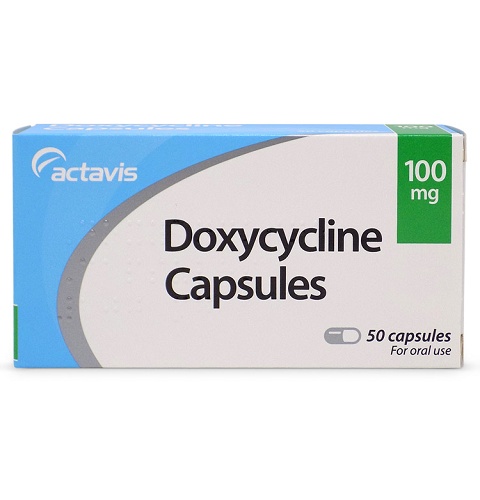
| Name of medicine | Doxycycline |
|---|---|
| Main chemical component | Doxycycline |
| Group / Purpose | Antibiotic (Tetracycline class) |
| Strengths available | 50 mg, 100 mg tablets/capsules |
| How soon it begins to work | Within 1–2 days of starting therapy |
| How long its effect lasts | Requires daily dosing; effect sustained while taken |
| Route of use | Oral (taken by mouth) |
| Does it need a prescription? | Yes, prescription required in the UK |
| Usual way to take | Once or twice daily, as prescribed |
Doxycycline: Guide to Use and Availability in the United Kingdom
Doxycycline is a prescription antibiotic used to treat a variety of bacterial infections, including chest, urinary, skin, and some sexually transmitted infections. In the United Kingdom, it is approved and regulated for medical use under the authority of the Medicines and Healthcare products Regulatory Agency (MHRA). This guide explains when and how Doxycycline is used, who it suits best, and what to know before starting treatment.
How common and treatable is the problem?
Bacterial infections remain a frequent reason for GP consultations in the UK. According to NHS Digital, around 1 in 4 adults will be prescribed an antibiotic such as Doxycycline each year (NHS Digital, 2022). These infections can range from mild cases, such as acne or respiratory tract infections, to more serious conditions that require prompt antibiotic therapy. It’s important to know that, with appropriate treatment, most bacterial infections respond well and are entirely manageable. Doxycycline is one of several antibiotics commonly used, reflecting both its effectiveness and the broad range of conditions it covers.
How Doxycycline targets infection: what happens in your body?
Doxycycline works by stopping bacteria from making the proteins they need to multiply and survive. In plain terms, it interrupts the machinery that bacteria use to grow. For the patient, this means that after starting Doxycycline, bacteria stop spreading, and the body’s immune system can clear the remaining infection more efficiently. Most people notice improvement in symptoms—such as reduced fever, pain, or swelling—within 48 hours. However, the medication must be continued for the full prescribed course to ensure all bacteria are cleared and to prevent resistance.
- Physiological effect: Doxycycline enters the bloodstream and concentrates in tissues where infection is present, attacking bacteria at their source.
- Practical outcome: As bacteria are suppressed, symptoms gradually improve, though full recovery may take several days depending on the infection type and severity.
This mechanism makes Doxycycline effective against a wide variety of infections, including respiratory tract infections, chlamydia, certain types of pneumonia, skin problems like acne, and even some tick-borne diseases.
Is Doxycycline the right antibiotic for you?
| Your situation | Recommended action | Why this option? |
|---|---|---|
| You have been diagnosed with chlamydia or another sexually transmitted infection and are not pregnant or breastfeeding | Doxycycline is usually the first-line option | Effective, well-studied, and typically preferred unless contraindicated |
| You are experiencing a flare-up of acne or a mild respiratory infection, and have no history of allergy to tetracyclines | Doxycycline may be prescribed | Often used for these cases, especially in adults and older teenagers |
| You are pregnant, breastfeeding, or have a history of severe liver disease | A different antibiotic may be safer | Doxycycline can affect fetal bone and tooth development, and may be unsuitable for liver conditions |
| You recently had an allergic reaction to any tetracycline antibiotic | Avoid Doxycycline | Risk of repeated hypersensitivity reaction |
These scenarios reflect real clinical decision points. If you are unsure which describes you, your GP or pharmacist will review your health history to advise on suitable options.
Practical advice for taking Doxycycline: daily life and unexpected situations
- When to take it: Usually once or twice a day, ideally at the same time daily. Take with a large glass of water and remain upright for at least 30 minutes to reduce risk of throat irritation.
- With or without food? Doxycycline can be taken with food if it upsets your stomach, but avoid milk or dairy products close to your dose since they can reduce absorption.
- Missed a dose: Take it as soon as you remember, unless it’s nearly time for your next dose. Do not double up. If in doubt, skip the missed dose and continue your schedule.
- If it doesn’t seem to work: Contact your GP if symptoms do not improve within 2–3 days or worsen. Do not stop the course early unless advised—you may need a different antibiotic or further investigation.
- What’s normal? Mild stomach upset, nausea, or increased sensitivity to sunlight can occur. If you experience severe headache, vision changes, or develop a rash, seek medical advice.
- Travel or sun exposure: Use strong sun protection, as Doxycycline can increase the risk of sunburn.
Your pharmacist can give additional tips on managing minor side effects or lifestyle questions during treatment.
When is Doxycycline not suitable? Contraindications explained
- Pregnancy and breastfeeding: Doxycycline is avoided because it can affect the developing bones and teeth of the baby.
- Allergy to tetracyclines: Anyone who has previously experienced an allergic reaction to antibiotics in this class should not take Doxycycline, due to the risk of a repeat or more severe allergy.
- Severe liver failure: The medication is processed by the liver, so severe impairment increases the risk of side effects or toxic buildup.
- Children under 12 years old: Risk of permanent tooth discolouration and effects on bone growth in young children means alternative antibiotics are chosen for this age group, unless there is no alternative.
If you have any of these conditions, your GP will offer a safer alternative based on your medical history.
What side effects should you expect, and which are a cause for concern?
- Common and usually mild: Nausea, diarrhoea, mild stomach discomfort, headache, and sensitivity to sunlight. Symptoms often improve as your body adjusts, especially if you take Doxycycline with food (but not milk).
- Less common but important: Yeast infections (such as oral or vaginal thrush), skin rash, or mild changes in liver enzymes. If persistent, discuss with your doctor.
- Rare but serious: Severe allergic reaction (swelling of face or throat, difficulty breathing, widespread rash), severe headache with visual disturbance (possible sign of intracranial hypertension), or severe diarrhoea (could indicate Clostridioides difficile infection).
If you develop any signs of a severe allergic reaction or difficulty breathing, seek emergency assistance immediately by calling 999 (NHS emergency number in the UK). Report any unexpected or severe symptoms to your healthcare provider without delay.
Interactions: what medicines, supplements, or foods should you avoid with Doxycycline?
- Antacids and supplements: Products containing calcium, magnesium, aluminium, or iron (such as antacids or multivitamins) can bind Doxycycline in the gut, making it less effective. Take Doxycycline at least 2 hours before or after these products.
- Other antibiotics: Some antibiotics (like penicillins) may interfere with Doxycycline’s effectiveness when taken together; your prescriber will avoid this combination unless necessary.
- Blood thinners: Doxycycline can increase the effect of warfarin and similar medicines, raising bleeding risk. Your doctor may monitor your blood tests more closely if you’re on these drugs.
- Contraceptive pill: Though most recent evidence suggests Doxycycline does not reduce the effectiveness of the combined oral contraceptive, vomiting or diarrhoea from antibiotics may still put you at risk of unintended pregnancy. Use additional contraception if you are unwell.
Always provide your doctor or pharmacist with a full list of medicines and supplements you take, to avoid any unexpected interactions.
How does Doxycycline compare to other antibiotics? When is it the best option?
| Antibiotic | Main uses | When preferred | Limitations |
|---|---|---|---|
| Doxycycline | Chlamydia, acne, respiratory and skin infections, Lyme disease, malaria prevention | Preferred for chlamydia, acne, and some tick-borne illnesses where guideline recommends | Not suitable in pregnancy, for young children, or in severe liver disease |
| Amoxicillin | Ear, throat, chest, urinary infections | Often used in children and pregnancy; well tolerated | Not effective for some resistant infections or in penicillin allergy |
| Clarithromycin | Chest infections, skin infections, stomach ulcers | Alternative for penicillin allergy | May cause more stomach upset; drug interactions |
Doxycycline’s wide range of uses and oral dosing convenience make it the best option in specific adult cases, especially for chlamydia and acne, and as a malaria prophylactic for certain destinations. However, it is not the only choice, and the best antibiotic depends on the infection, your medical history, and personal circumstances. Your prescriber will select the most appropriate treatment according to national guidelines and your needs.
Price and access: what will you pay for Doxycycline in the UK?
| Cost item | Amount | Notes |
|---|---|---|
| Doctor or clinic consultation (private) | £40–£80 | GP appointment or online consultation (NHS GP is free, private clinics charge) |
| Prescription fee | £9.65 | Standard NHS prescription charge per item in England (NHS Scotland/Wales: free) |
| Doxycycline tablets (7–14 day course) | £2–£15 | Generic, for 14 x 100 mg or 14 x 50 mg (private prescription may be higher) |
| Delivery (if ordering online) | £3–£7 | Standard delivery; express options may cost more |
| Total expected cost | £11.65–£111.65 | Lowest: NHS route; Highest: private online consultation plus medication and delivery |
In most cases, if you obtain Doxycycline via an NHS prescription, you pay only the prescription fee (or nothing if exempt). Private online providers will charge for the consultation, prescription, medication, and delivery. Be aware that UK regulations require a prescription for legal sale, though some online providers operate outside this requirement. Always ensure your provider is registered with the General Pharmaceutical Council or MHRA for safety.
What if you have more questions or concerns?
If after reading this guide you are still uncertain about Doxycycline, or if your circumstances are unusual (for example, you’re travelling abroad, have a rare condition, or are taking multiple medications), it’s reasonable to seek further advice. Community pharmacists are trained to answer practical questions about antibiotics, and GPs can advise on complex cases. For urgent advice outside of normal hours, NHS 111 can be accessed by phone or online in the UK for non-emergency medical queries. These services exist to support you in making the safest and most effective choices for your health.