- Home/
- Buy Priligy Online in the United Kingdom Easily and Securely
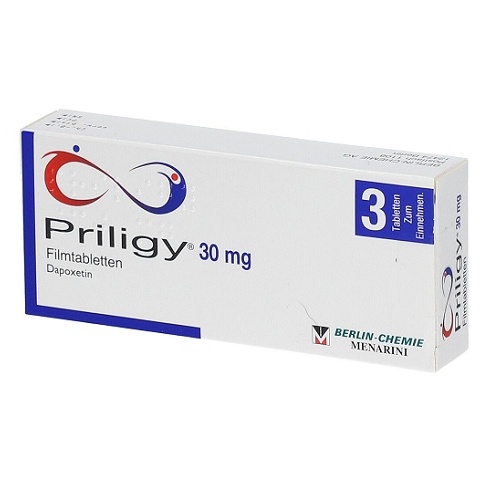
Does Priligy Really Fit the Bill? The Case for and Against
Picture this: You’ve searched for months, maybe years, for something that works for premature ejaculation. Condoms, numbing sprays, “mental tricks”—none deliver what the adverts promise. Then you hear about Priligy, a medication designed expressly for this problem and licensed by the UK’s Medicines and Healthcare products Regulatory Agency (MHRA). It sounds promising. But is it really the answer, or just another stopgap?
Priligy’s biggest selling point is that it’s the only oral medication specifically approved for premature ejaculation in the UK. Dapoxetine, its active ingredient, kicks in fast—usually within one to three hours—and washes out of your system within a day. This “on-demand” approach is unlike antidepressants or erectile dysfunction drugs repurposed for PE, which may require daily dosing and come with baggage. For men looking for a solution that’s both targeted and doesn’t require a long-term commitment, Priligy is unique.
- Expectation: You want something that works the first time, every time. Reality? Clinical trials show Priligy roughly doubles or triples the time to ejaculation for many men, but not all respond—and satisfaction scores are mixed.
- Convenience: You only take it when you need it. No daily pills, no disruption to your routine. But timing matters: take it too early or too late and the effect may miss the mark.
- Access: Priligy requires a prescription in the UK. Online pharmacies, walk-in clinics, and GPs can all prescribe it—but NHS coverage is rare, so you may pay out of pocket.
For men frustrated by other treatments or who want a reliable, flexible option for specific occasions, Priligy can be a game-changer. For those expecting instant transformation or a one-pill cure, disappointment often follows. Understanding this distinction is the first step toward realistic expectations—and better outcomes.
Priligy’s Mechanism: What It Means for Results—and Your Sex Life
Dapoxetine’s story starts with a quirk of chemistry. Unlike other selective serotonin reuptake inhibitors (SSRIs), which build up slowly in your body and linger for weeks, dapoxetine is designed to get in and out fast. After you swallow a tablet, blood levels peak within about 1-2 hours, then drop quickly as your liver clears it. This is why you can take Priligy “on demand”—but also why the window for effectiveness is narrow.
- Dapoxetine
- A unique short-acting SSRI developed specifically for premature ejaculation. Unlike long-acting SSRIs (such as paroxetine or sertraline), dapoxetine is absorbed and eliminated quickly, allowing for as-needed use.
In clinical terms, Priligy works by boosting serotonin levels in the nervous system, which slows the reflex that triggers ejaculation. Most men who respond to dapoxetine notice a delay in ejaculation, greater control, and reduced distress. The increase in control isn’t subtle for responders—it can mean the difference between a minute and several—but it is not universal. Some men experience little benefit, and side effects can be a deal-breaker for others.
What does this mean in bed? If you time your dose correctly, Priligy may give you a predictable window—usually 1-3 hours after taking it—where you’re less likely to “finish too soon.” But the effect can fade fast. Miss the window, and you’re back to square one. Importantly, Priligy does not affect libido, erectile function, or overall sexual satisfaction for all men—its action is specific, and so are its limitations.
The bottom line: Dapoxetine’s quick action is both its strength and its weakness. If you need a “just in time” solution for specific encounters, it’s unmatched. If you want a long-term change in sexual confidence or deeper relationship benefits, you may need to combine it with other strategies.
Getting the Most from Priligy: How to Take It for Real-World Results
The first time you take Priligy, the instructions seem simple: swallow one tablet, 1 to 3 hours before sex. But in practice, timing, food, alcohol, and expectations all get in the way. Here’s how to make it work for you—because missing the window is the number one reason men report disappointing results.
- Start with 30 mg: This is the standard initial dose. Increase to 60 mg only if the lower dose isn’t effective and you tolerate it well.
- Take with a full glass of water: This reduces the risk of dizziness or sudden drops in blood pressure.
- Eat lightly or not at all: Food doesn’t significantly affect absorption, but heavy meals may delay the effect.
- Limit alcohol: Combining Priligy and alcohol significantly increases the risk of fainting or dizziness.
- Don’t take more than once in 24 hours: Priligy is not designed for repeat dosing within a single day.
| Patient Group | Starting Dose | Maximum Dose | Special Considerations |
|---|---|---|---|
| Men aged 18-64 | 30 mg as needed | 60 mg as needed | Can increase if well tolerated; not for daily use |
| Men 65+ | Not routinely recommended | Not routinely recommended | Limited data; higher risk of adverse effects |
| Men with mild renal impairment | 30 mg as needed | 60 mg as needed | Monitor for side effects, especially dizziness |
| Men with moderate/severe renal impairment | Contraindicated | Contraindicated | Use not recommended |
| Liver impairment (mild) | 30 mg as needed | Do not exceed 30 mg | Monitor carefully; avoid 60 mg dose |
| Liver impairment (moderate/severe) | Contraindicated | Contraindicated | Do not use Priligy |
What about repeat use? Priligy is not designed for daily or continuous use. The guidance is clear: limit to one dose every 24 hours. Some men find this fits their pattern of sexual activity; others may want a solution they can use more frequently or on a daily basis. In those cases, a different approach—or a frank conversation with your doctor—may be in order.
Fine-tuning Priligy use often means experimenting with timing and dose under medical supervision. If you find the effect too weak, inconsistent, or unpredictable, it’s essential to discuss this openly with your prescriber rather than increasing the dose yourself.
Which Side Effects Matter Most with Priligy—and When to Act
The side effect profile of Priligy looks familiar if you’ve ever taken an SSRI, but there are crucial differences. Because dapoxetine is short-acting, most side effects (if they occur) do so within a few hours of dosing and usually fade within a day. Common complaints include nausea, dizziness, and headache—but unlike daily SSRIs, persistent side effects are rare.
- Nausea: The most common complaint, affecting about 1 in 5 men. Usually mild, but can be enough to make you skip a dose.
- Dizziness: About 1 in 10 report it. The risk is higher when standing up quickly or combining with alcohol.
- Headache: Generally mild, resolves within hours.
- Fainting (syncope): Rare but serious. Most likely to occur within the first 3 hours after taking Priligy. If you feel lightheaded, lie down immediately.
- Mood changes: Less common than with daily SSRIs, but possible—especially in men with a history of depression.
The most serious risks—such as fainting and serotonin syndrome—are rare, but deserve respect. Priligy can cause sudden drops in blood pressure, particularly when standing up or if taken with alcohol or other medications that lower blood pressure. If you experience blackouts, chest pain, or severe dizziness, seek medical help at once.
| Side Effect | Frequency | When to Contact a Doctor |
|---|---|---|
| Nausea | Common (10–30%) | If severe, persistent, or causes vomiting |
| Dizziness | Common (5–15%) | If severe, persistent, or associated with fainting |
| Headache | Common (5–10%) | If severe or frequent |
| Fainting | Rare (<1%) | Immediately—stop Priligy and seek urgent care |
| Mood changes (depression, anxiety) | Uncommon (<1%) | If mood worsens or thoughts of self-harm occur |
| Serotonin syndrome | Very rare | Immediately—seek emergency medical help |
Priligy vs. Other Treatments: A Practical Comparison
| Attribute | Priligy (Dapoxetine) | Paroxetine/Sertraline (SSRIs, off-label) | Topical Anaesthetics |
|---|---|---|---|
| Approved Indication | Yes (PE, UK licence) | No (off-label) | No (off-label for PE) |
| Mechanism | Short-acting SSRI (oral) | Long-acting SSRI (oral, daily) | Local nerve block (cream/spray) |
| Dosage | 30–60 mg, 1–3 hrs before sex | Daily, adjusted to effect | Apply 5–15 min before sex |
| Onset/Duration | 1–3 hrs onset, effect lasts 4–6 hrs | 1–2 weeks for effect; lasts all day | 10–20 min onset; lasts 30–60 min |
| Effectiveness | Doubles/triples time to ejaculation in responders | Similar or slightly higher in some studies | Varies widely; may cause loss of sensitivity |
| Common Side Effects | Nausea, dizziness, headache, rare fainting | Sexual dysfunction, weight gain, mood changes | Numbness, transfer to partner, local irritation |
| Prescription Status (UK) | Prescription only | Prescription only (off-label) | Some OTC available |
| Cost/Reimbursement | Private prescription, NHS rarely covers | Usually private, rarely NHS for PE | OTC cost, not reimbursed |
This table makes one thing clear: Priligy is unique in its “on-demand” oral approach and UK approval for premature ejaculation. Daily SSRIs may be slightly more effective for some, but come with a higher side-effect burden and are not licensed for PE. Topical anaesthetics are easily accessible, but many men find the loss of sensitivity—and risk of transfer to a partner—unacceptable. For those seeking a balance between effectiveness, convenience, and side effects, Priligy carves out a distinct niche. Its price and lack of routine NHS coverage, however, may be a deciding factor for many.
When Doctors Reach for Priligy—and When They Don’t: A Clinician’s View
“What I see most often is that men come to me after they’ve tried everything else—sprays, distraction, even daily antidepressants. Priligy stands out because it’s designed for the problem at hand, but it’s not a silver bullet. My clinical experience matches the evidence: about half of my patients get real benefit, especially those who time it well and value the flexibility of on-demand use. The men who do best are those without complicating medical conditions and with realistic expectations. For men with underlying erectile issues, severe anxiety, or who want daily intimacy without planning, Priligy is usually not the answer. As with any treatment, honest conversation about what bothers you—and what you want to achieve—matters just as much as the prescription itself.” — Dr. James Walden, Consultant Urologist, UK (Medical Reviewer)
Doctor voices like Dr. Walden’s are clear: Priligy is most effective for motivated men in stable health who are willing to plan ahead. It is not a panacea for all forms of sexual dysfunction, nor is it a cure for performance anxiety or relationship issues. The clinical “art” is matching the right patient to the right tool at the right time—knowing when to try Priligy, when to adjust the dose or timing, and when to try something else entirely.
When Not to Take Priligy: Who Should Steer Clear?
- Known allergy to dapoxetine or excipients in Priligy tablets
- Significant heart problems: heart failure, conduction abnormalities (e.g., AV block), arrhythmias
- Concomitant use of potent CYP3A4 inhibitors (e.g., ketoconazole, ritonavir)
- Moderate or severe hepatic impairment
- Use of monoamine oxidase inhibitors (MAOIs) within the last 14 days
- Uncontrolled epilepsy, history of mania, or severe psychiatric illness—Priligy may worsen symptoms or interact with other medications
- Concurrent use of other SSRIs, SNRIs, or serotonergic agents—increases serotonin syndrome risk
- Low blood pressure or significant dehydration—raises risk of fainting
- Severe kidney impairment—risk of side effects is higher, and Priligy is not recommended
- Age over 65—limited evidence for safety and efficacy
For many men, these warnings may sound technical, but they matter. The risk of serious side effects goes up sharply if Priligy is taken in combination with interacting medicines or in the presence of certain medical conditions. If in doubt, a five-minute review with your pharmacist or GP can prevent real harm.
Getting Priligy in the UK: Prescription, Pharmacy, and Cost Realities
Access to Priligy in the UK is more straightforward than you might expect, but there are important caveats. While Priligy is a prescription-only medicine (POM), you can obtain it from your NHS GP, a private doctor, or a registered online pharmacy. Most patients end up paying privately, as NHS coverage for premature ejaculation is rare and usually reserved for complex cases.
- NHS GP: Possible, but NHS will rarely fund Priligy for PE; prescription is usually private.
- Private clinics: Urologists and sexual health specialists often prescribe Priligy after assessment.
- Online pharmacies: Legal if registered with the General Pharmaceutical Council (GPhC); requires an online consultation or valid prescription.
- Community pharmacies: Some may offer Priligy under private prescription, subject to pharmacist assessment.
Cost considerations: A typical pack (3-6 tablets) costs between £20 and £40, depending on the pharmacy and dose. NHS prescriptions (if available at all) are subject to the standard prescription charge; private prescriptions are not reimbursed and may have a dispensing fee. Generic dapoxetine is available in parts of Europe but is less common in the UK as of 2024.
- Regulation: Only buy Priligy from a pharmacy registered with the GPhC. Avoid unregulated websites—risks include counterfeit medicines and lack of proper clinical assessment.
- Consultation: A brief questionnaire or discussion is standard; blood pressure and medical history are checked for safety.
The practical upshot: Priligy is accessible for most men in the UK, but you’ll need to budget for ongoing cost if using it regularly. Always use legal, regulated channels to protect your health.
When Priligy Doesn’t Deliver: What Next?
Not every man gets the results he hopes for. If Priligy doesn’t work the first time, it doesn’t necessarily mean it’s a lost cause. Small adjustments—timing, dose, food intake, or avoiding alcohol—can make a big difference. But when two or three well-timed trials produce little benefit, it might be time to reconsider.
- Revisit technique and timing: Many failures are due to mistiming the dose. Try taking the tablet closer to (but not immediately before) sexual activity.
- Side effects outweigh benefits: If nausea, dizziness, or other side effects are intolerable, stop Priligy and discuss alternatives.
- Persistent non-response: Some men simply do not respond to dapoxetine. In these cases, daily SSRIs (off-label), psychological therapy, or topical anaesthetics may be appropriate.
- Underlying issues: Erectile dysfunction, anxiety, or relationship factors can all limit Priligy’s effectiveness. Addressing these issues often leads to better outcomes than switching medications alone.
Backups and alternatives: If Priligy is not the answer, it’s worth discussing the risks and benefits of daily SSRIs, topical anaesthetics, or behavioural therapy with your doctor. For some men, a combined approach—medication plus therapy—offers the best chance at lasting improvement.
Questions Patients Ask About Priligy in the UK—And Answers That Actually Help
- Is Priligy covered by the NHS?
- In most cases, Priligy is not covered by the NHS for premature ejaculation. NHS prescribing is typically reserved for exceptional cases. Most men obtain it via private prescription and pay the full price.
- How quickly does Priligy start working?
- Priligy begins to work within 1 to 3 hours after taking a tablet. Timing is crucial—plan to take it so that sexual activity falls within this window for best effect.
- Can I take Priligy with alcohol?
- Combining Priligy with alcohol increases the risk of fainting, dizziness, and low blood pressure. Avoid alcohol when taking Priligy, especially during your first few doses.
- What happens if I miss the timing?
- If sex occurs too soon or too late after taking Priligy, you may not experience the intended effect. It’s not dangerous, but you may be disappointed by the results. Don’t take another dose within 24 hours.
- Are there long-term risks with using Priligy?
- Because Priligy is used intermittently, long-term side effects are less common than with daily SSRIs. However, ongoing or severe side effects should always be discussed with your doctor.
- Can I use Priligy if I have erectile dysfunction too?
- Priligy is not intended for erectile dysfunction and won’t improve erections. If you have both conditions, a combination of treatments or addressing underlying health issues may be needed.
- Is generic dapoxetine available in the UK?
- As of 2024, generic dapoxetine is less commonly available in UK pharmacies compared to some other countries. Always buy from a registered UK pharmacy to ensure safety and quality.
- Is there an age limit for Priligy?
- Priligy is licensed for men aged 18 to 64. Use in older men is not routinely recommended due to limited evidence and increased risk of side effects.
- Can I get Priligy online?
- Yes, but only through UK-registered online pharmacies that require a prescription or online consultation. Never buy medicines from unregulated websites.
- Is it safe to use Priligy with other antidepressants?
- No. Combining Priligy with other SSRIs or SNRIs increases the risk of serotonin syndrome, a rare but potentially dangerous condition. Always disclose your full medication list to your prescriber.
References
- Priligy (dapoxetine) – Summary of Product Characteristics, A. Menarini Farmaceutica Internazionale SRL, 2023
- European Medicines Agency (EMA)
- NHS: Dapoxetine
- Medicines and Healthcare products Regulatory Agency (MHRA)
- British Society for Sexual Medicine – Premature Ejaculation Guidelines
- McMahon CG, et al. “Efficacy and safety of dapoxetine for the treatment of premature ejaculation: integrated analysis of results from five phase 3 trials.” J Sex Med. 2011.
- Men’s Health Forum UK
- National Institute for Health and Care Excellence (NICE)